
By Ny Avo Rasolomanana
« What would you invest in if someone trusted you with the resources to improve your farm, or build a more sustainable livelihood? »
This is the question at the heart of one of the research activities being carried out as part of the SCALE project in the villages surrounding the Itremo Massif Protected Area in Madagascar.
For many rural households, the challenge is not a lack of ideas or motivation. The ideas are already there. People know what they would like to do to improve their farms and livelihoods. What is often missing is access to cash at the right moment.
A community already built on trust
Across the villages around Itremo, many families are members of Village Savings and Loan Associations (VSLAs). These groups are much more than savings schemes. They give members a place to save money, access small loans, and support one another when times are difficult. For many households, VSLAs are one of the few reliable sources of financial capital available locally.
They also raise an interesting question: what happens when people have access to more resources than usual? What do they choose to invest in? And what can those choices tell us about their priorities and aspirations?
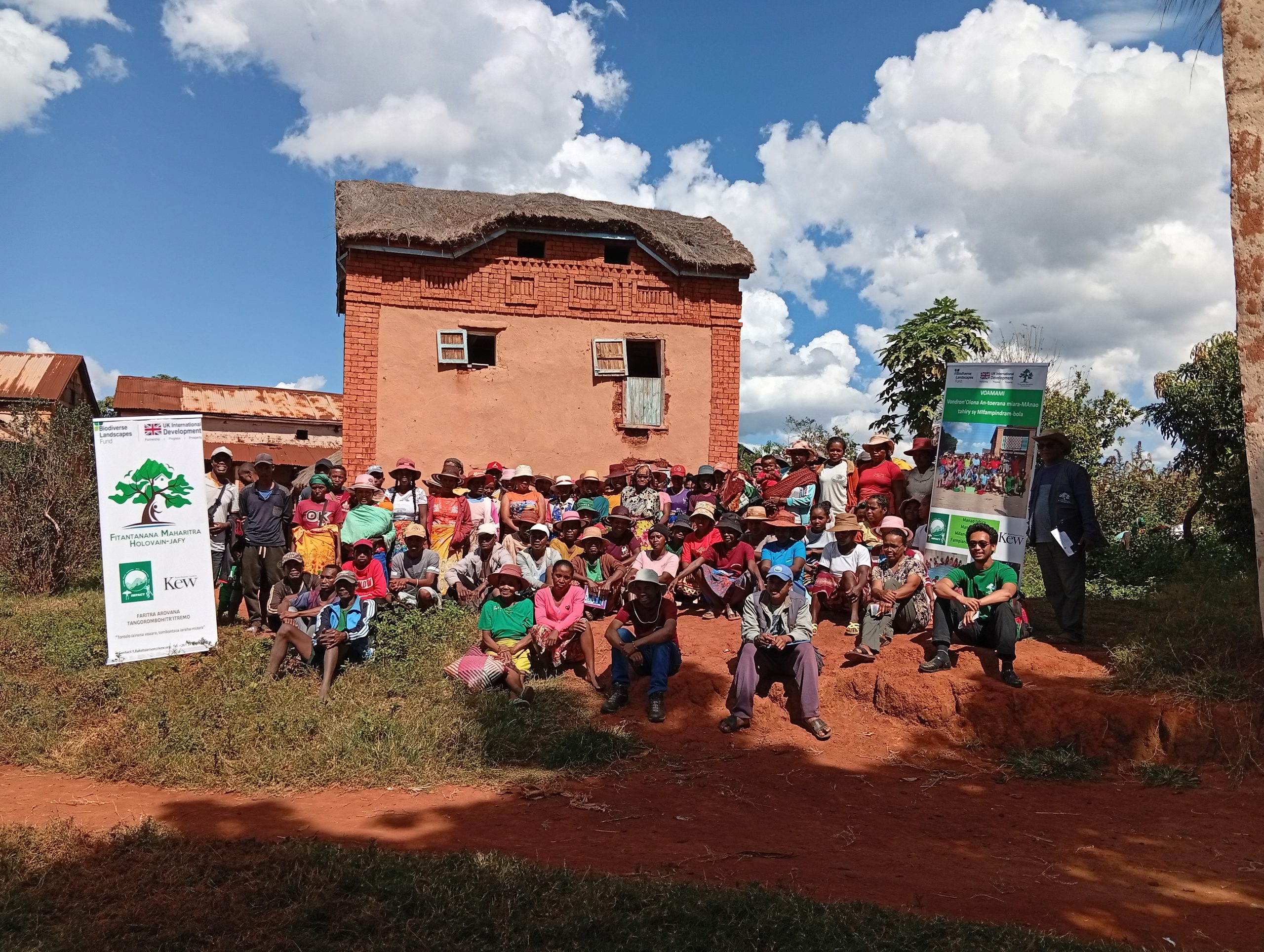
What happens when farmers have more choice?
To explore these questions, the SCALE project is working with 865 VSLA members from 40 groups in Itremo and Amborompotsy. Members were randomly assigned to one of three groups: a VSLA fund group, an individual transfer group, or a control group that will receive the transfer after one year.
For the VSLA fund group, the transfer is added to the association’s common fund, increasing the amount available for members to borrow through the normal VSLA loan system. For the individual transfer group, the money is given directly to members. In both cases, the transfers are unconditional but presented as support for Climate Smart Agriculture and livelihood improvement, allowing people to decide for themselves how best to use the resources available to them.
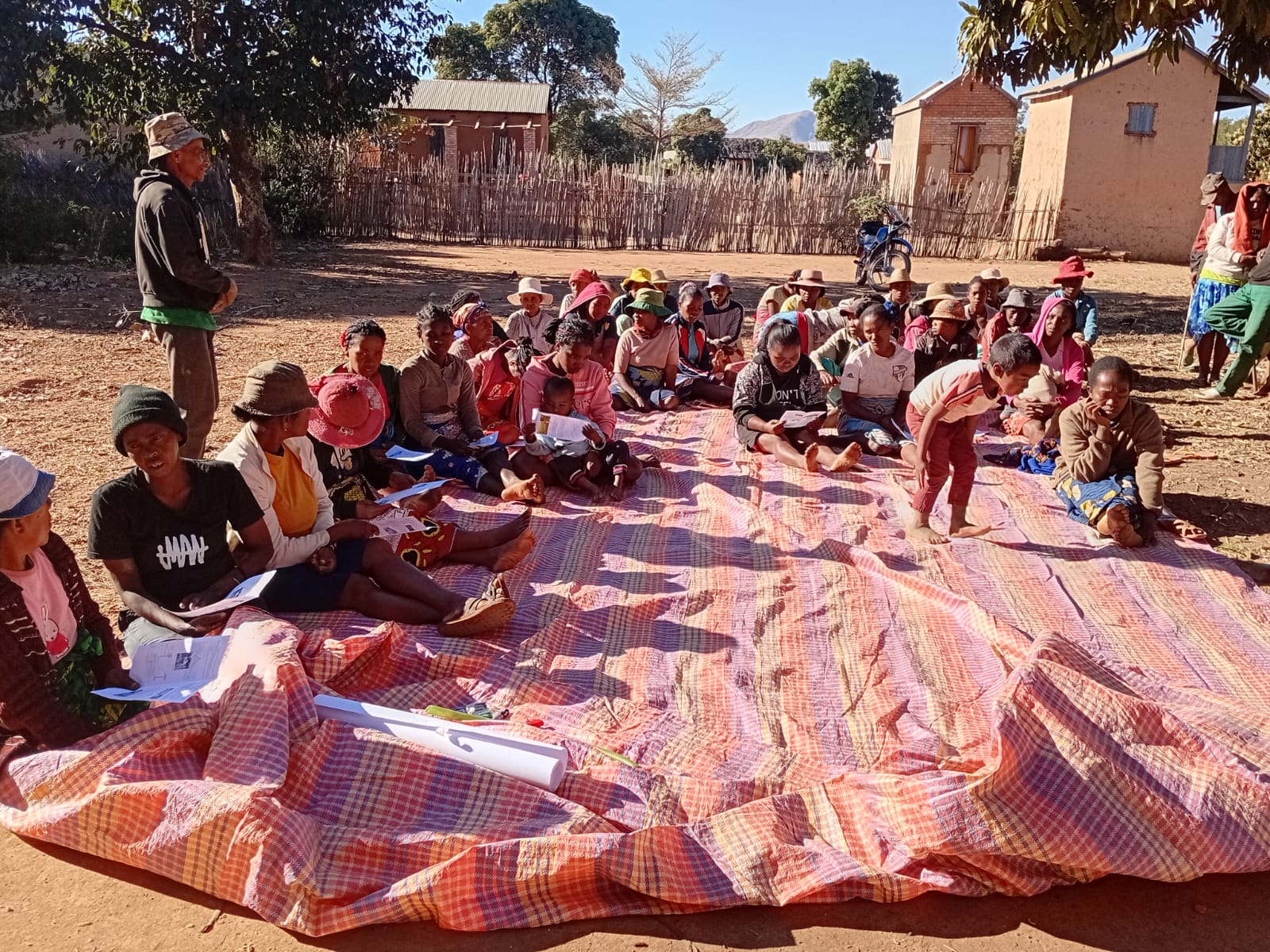
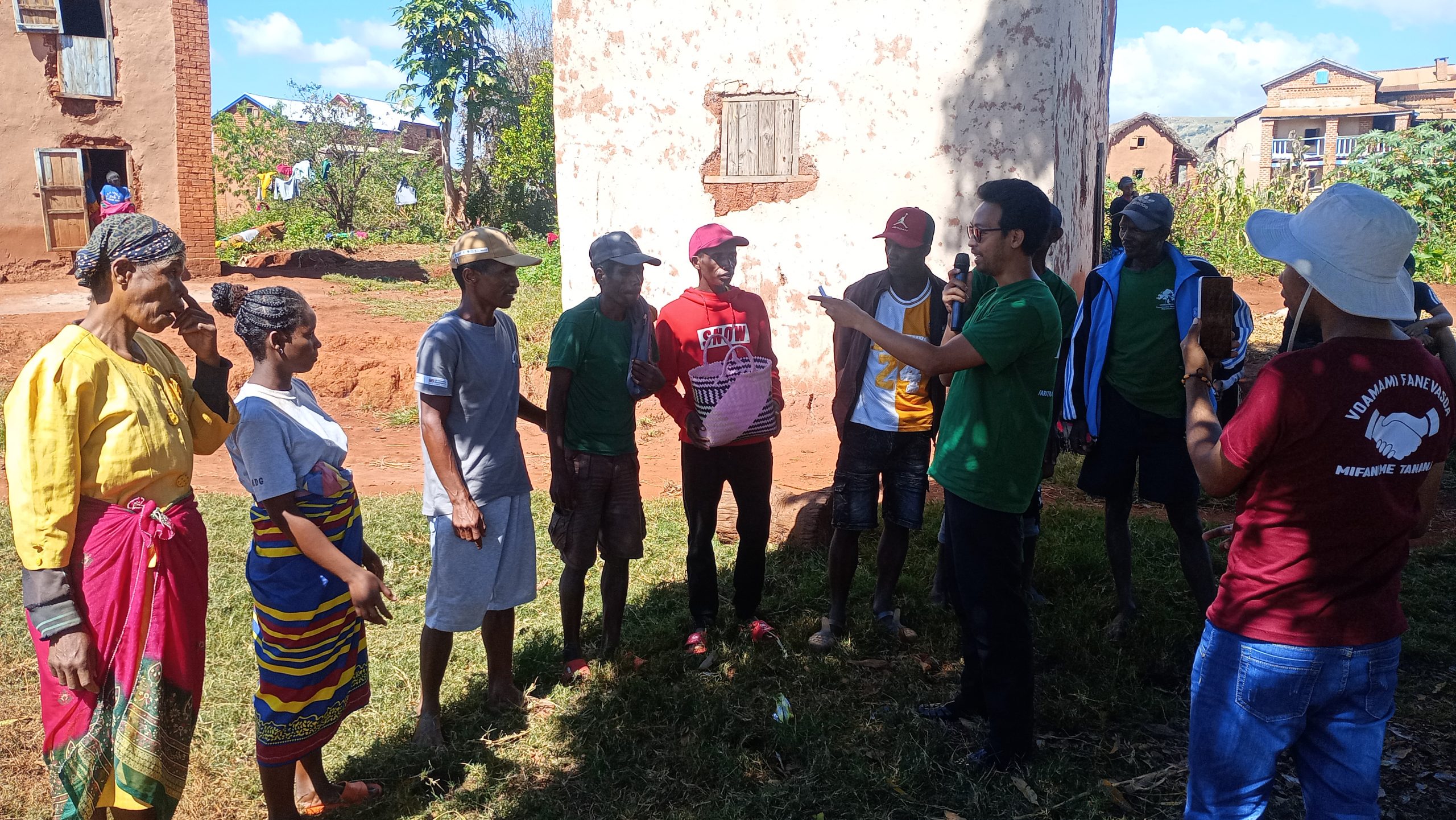
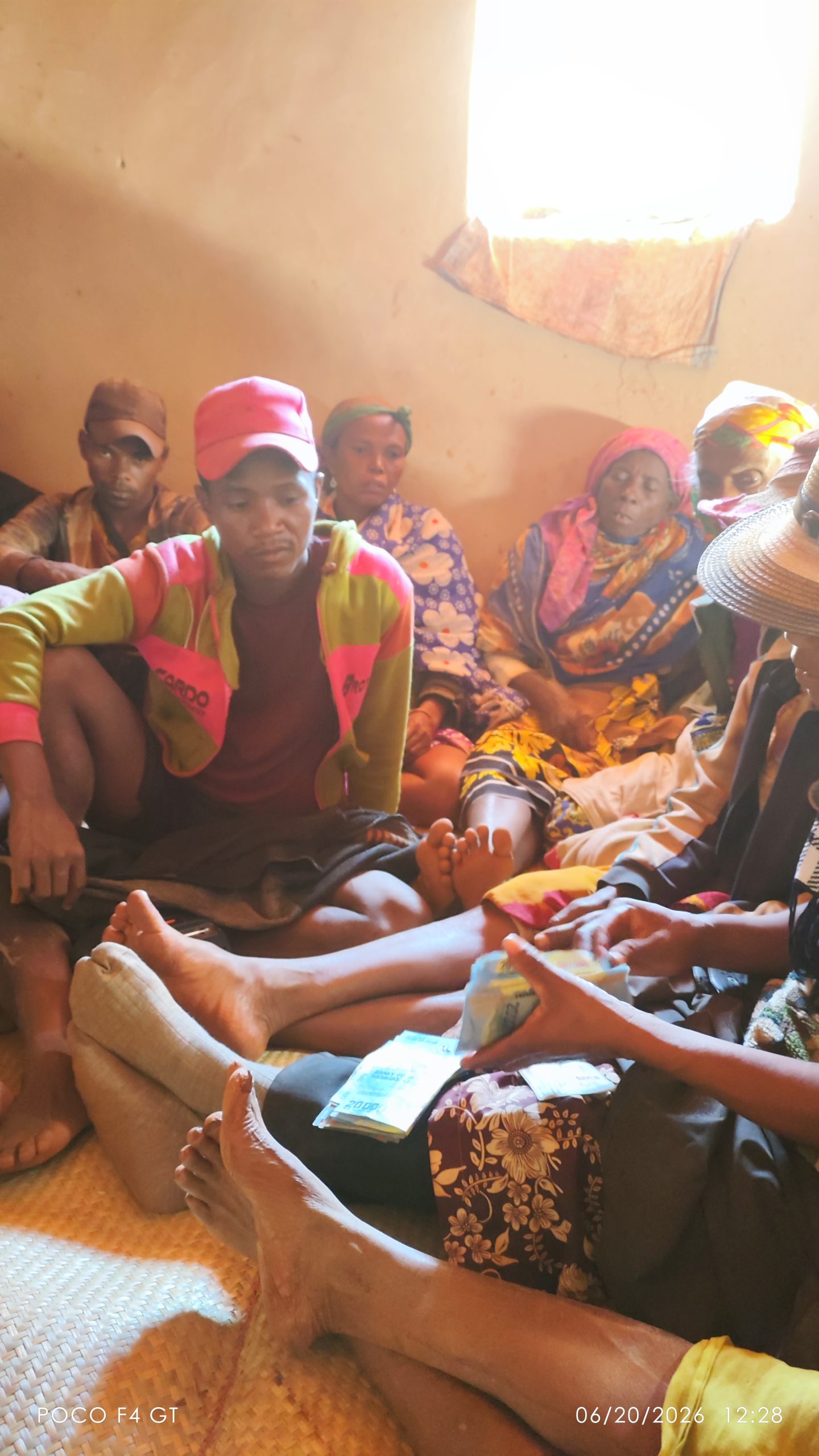
Making the process transparent
In April 2026, the randomization was carried out in the presence of VSLA committee members and local fokontany presidents. Later, between 24 and 30 June 2026, cash transfers were distributed across the participating villages.
The story starts after the transfer
While the cash transfer is an important part of the project, it is not the main story.
What interests us most is what happens next. When financial constraints are eased, how do people make decisions? Do they invest in farming? Buy livestock? Expand an existing activity? Or prioritize something entirely different?
Over the coming months, we will be following these choices closely. We are interested not only in where the money goes, but also in the thinking behind those decisions and the trade-offs households face.
Why these choices matter
At its heart, this research is about trust. Rather than assuming what farmers need, it gives them the freedom to decide for themselves.
By understanding the choices people make when given that opportunity, we hope to learn more about what drives agricultural and livelihood investments in rural Madagascar. These lessons can help shape future conservation and development programmes that respond to people’s real priorities, while supporting resilient livelihoods and reducing pressure on Madagascar’s unique biodiversity.