
By Nancy Rabenatoandro, July 2026
I’ve always imagined Switzerland through its postcard images: cowbells echoing across green pastures, chocolate, watches, peaceful glittering lakes, and mountains that seem almost too perfect to be real. And in many ways, during my first visit this year, all of that beauty is true. But I also discovered another side of Switzerland: a place where people from different parts of the world come together to exchange ideas, share knowledge, and reflect on some of the most important challenges of our time.
From 14 to 19 June 2026, I had the privilege of attending the World Biodiversity Forum in Davos, a town surrounded by the Alps and known for hosting large international gatherings. As the setting for my first international conference, Davos felt both impressive and symbolic. It was meaningful to discuss biodiversity, restoration, and the future of nature in a place where landscapes are so present and inspiring.
I arrived with excitement, curiosity, and a little nervousness. I knew it would be an important step in my early research journey, but I had not expected it to leave such a deep impression on me, both professionally and personally.
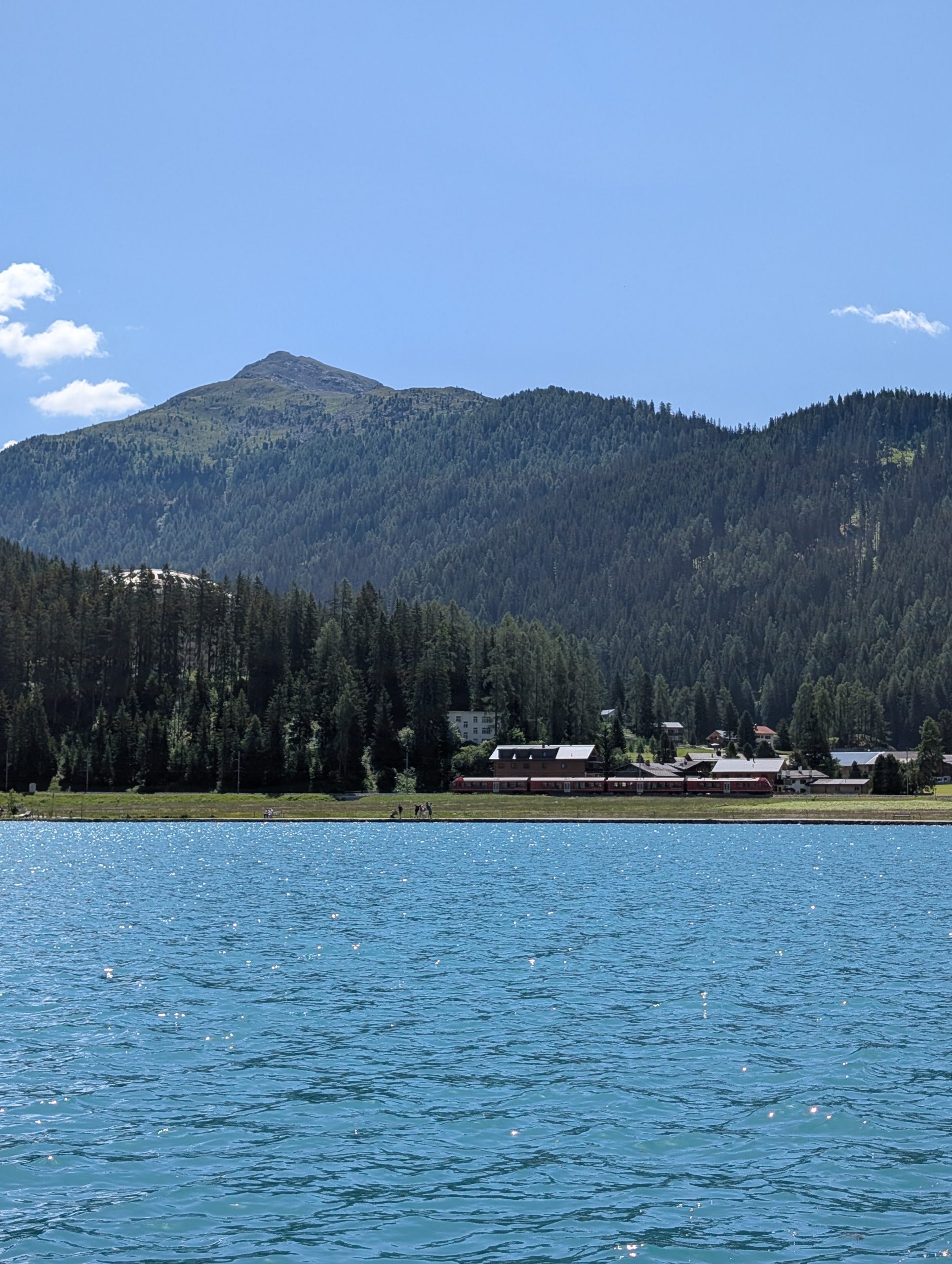
So, on the morning of 14 June, while many people might have chosen to enjoy a slow Sunday by the lake, the Forum began with a series of parallel workshops. Apparently, the biodiversity community has its own definition of a relaxing weekend.
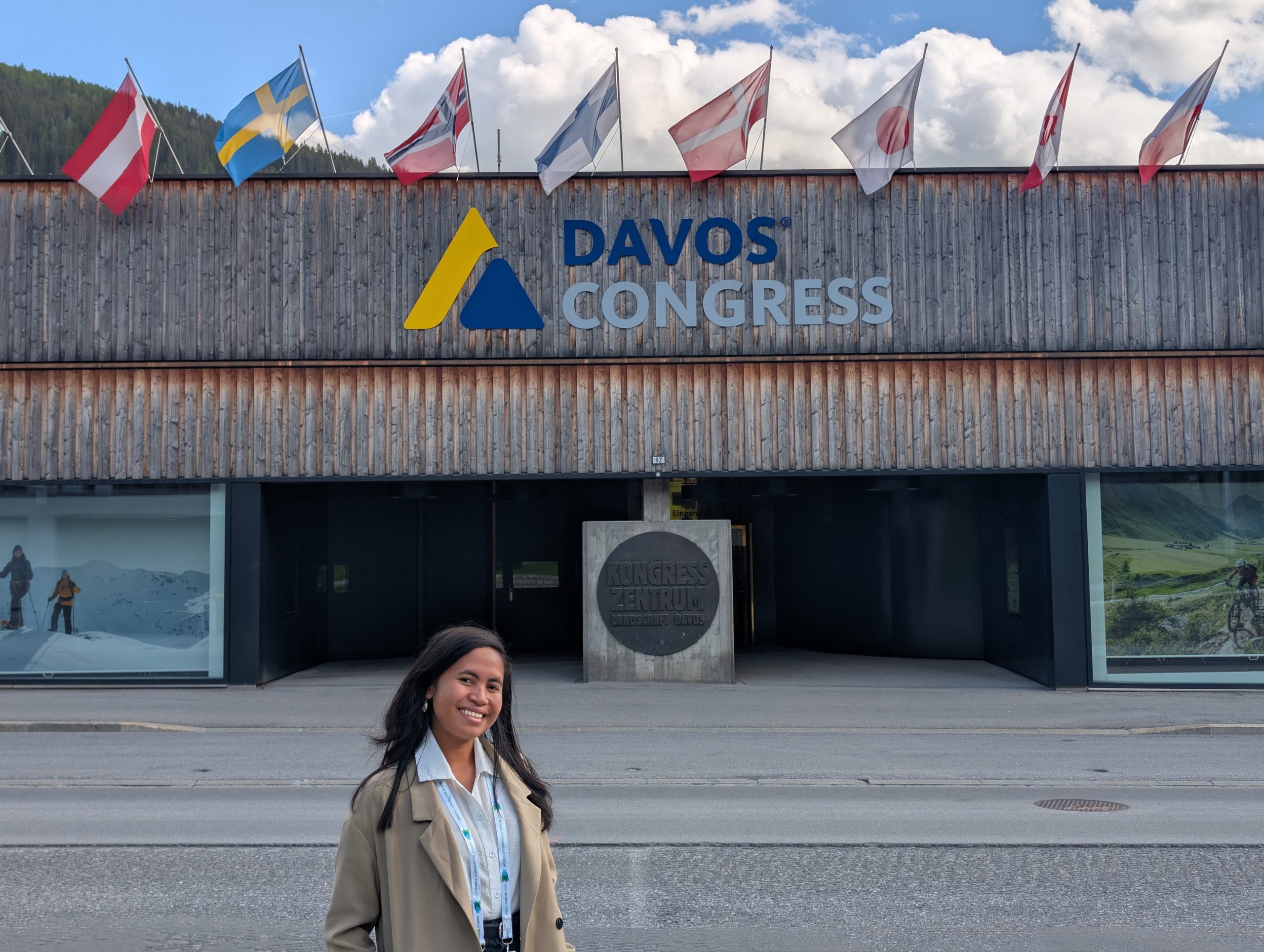
Mine started with a session introducing the Nature Futures Framework, which explores how biodiversity science can better inform decision-making through future-oriented scenarios and collaborative planning. What stayed with me most was the reminder that biodiversity is about more than ecological outcomes alone. The framework’s three perspectives: Nature for Nature, Nature for Society, and Nature as Culture, highlighted how conservation decisions should also reflect human wellbeing, cultural values, and our relationships with nature. This broader way of thinking encouraged me to consider biodiversity not only as something to protect, but as something deeply connected to the choices societies make about their future.
The following day marked the official opening of the Forum. Returning to the conference venue, now buzzing with more than a thousand participants from around seventy countries, felt completely different. Everyone had gathered to address one of the defining challenges of our time. Seeing so many people working towards a common goal was both humbling and inspiring. I also felt proud to see Madagascar represented in this global conversation.
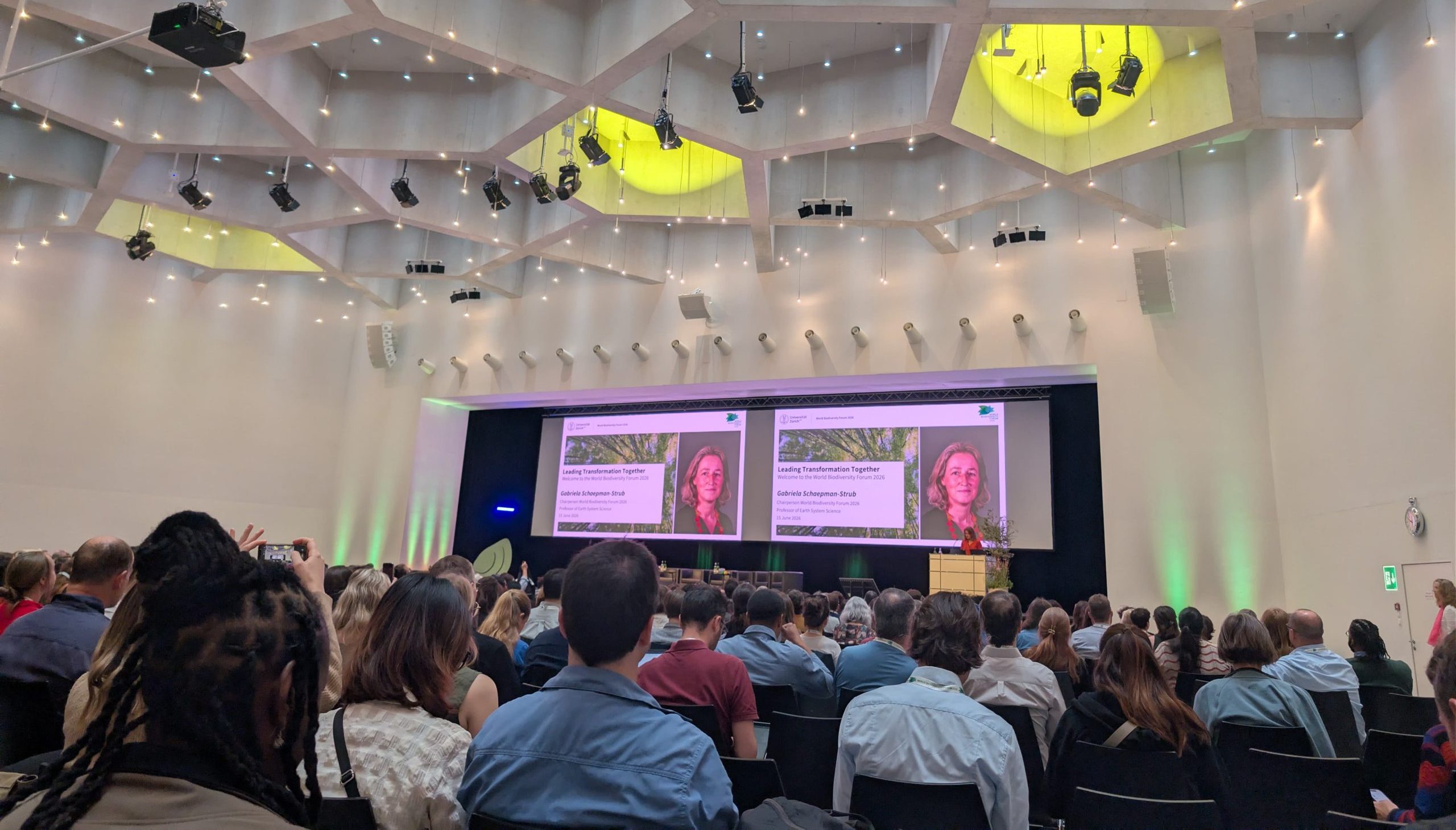
The opening session introduced this year’s theme, Leading Transformation Together, focused on turning the ambitions of the Kunming–Montreal Global Biodiversity Framework into meaningful action. One question posed by Becky Chaplin-Kramer stayed with me: « When the window opens, what do we hand through it? »
To me, this captured one of the Forum’s most powerful messages. The scientific community has become highly effective at documenting biodiversity decline through reports, indicators, models, and assessments. Yet the challenge is no longer only to understand the crisis, but to provide credible and practical pathways towards recovery. Becky called for a shift from a science of decline to a science of recovery, centred on building resilient and functional ecosystems. That idea stayed with me throughout the rest of the Forum.
Conversations brought together researchers, practitioners, policymakers, Indigenous leaders, civil society organisations, and many others. What impressed me most was how discussions extended far beyond ecology, encompassing governance, justice, finance, food systems, culture, and livelihoods. Moving from one session to another, I realised how impossible it is to address biodiversity loss from a single discipline. Lasting solutions require collaboration across sectors and knowledge systems.
As the discussions unfolded, I found myself thinking about home.
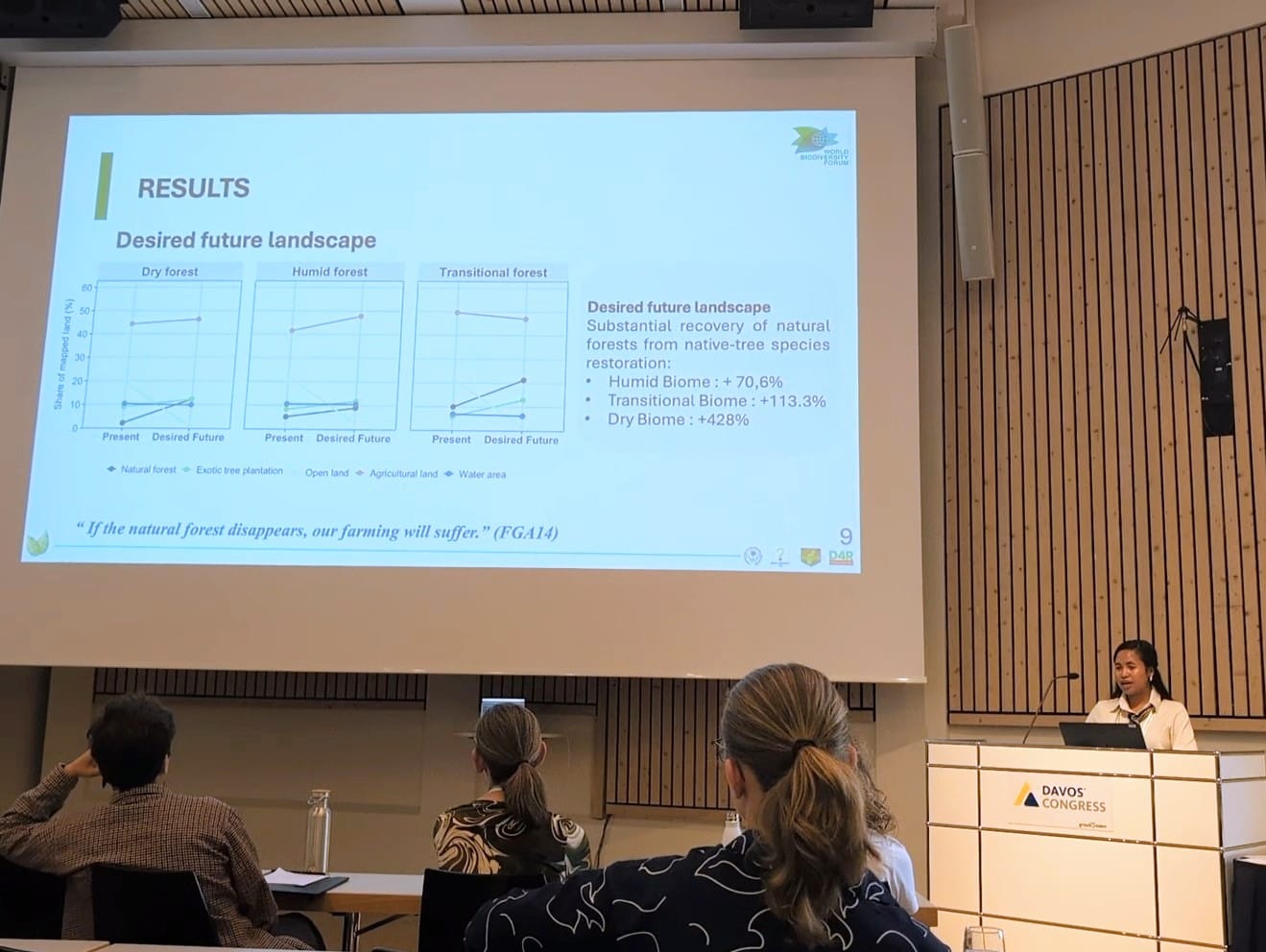
Representing the Demand4Restoration project and Mitsilo at the Forum felt like both an honour and a responsibility. In Madagascar, restoration is never just about recovering ecosystems. It is also about people, their livelihoods, and the futures they imagine for the landscapes they call home.
During the Con12 session, I presented our research on community demand for native-tree restoration.
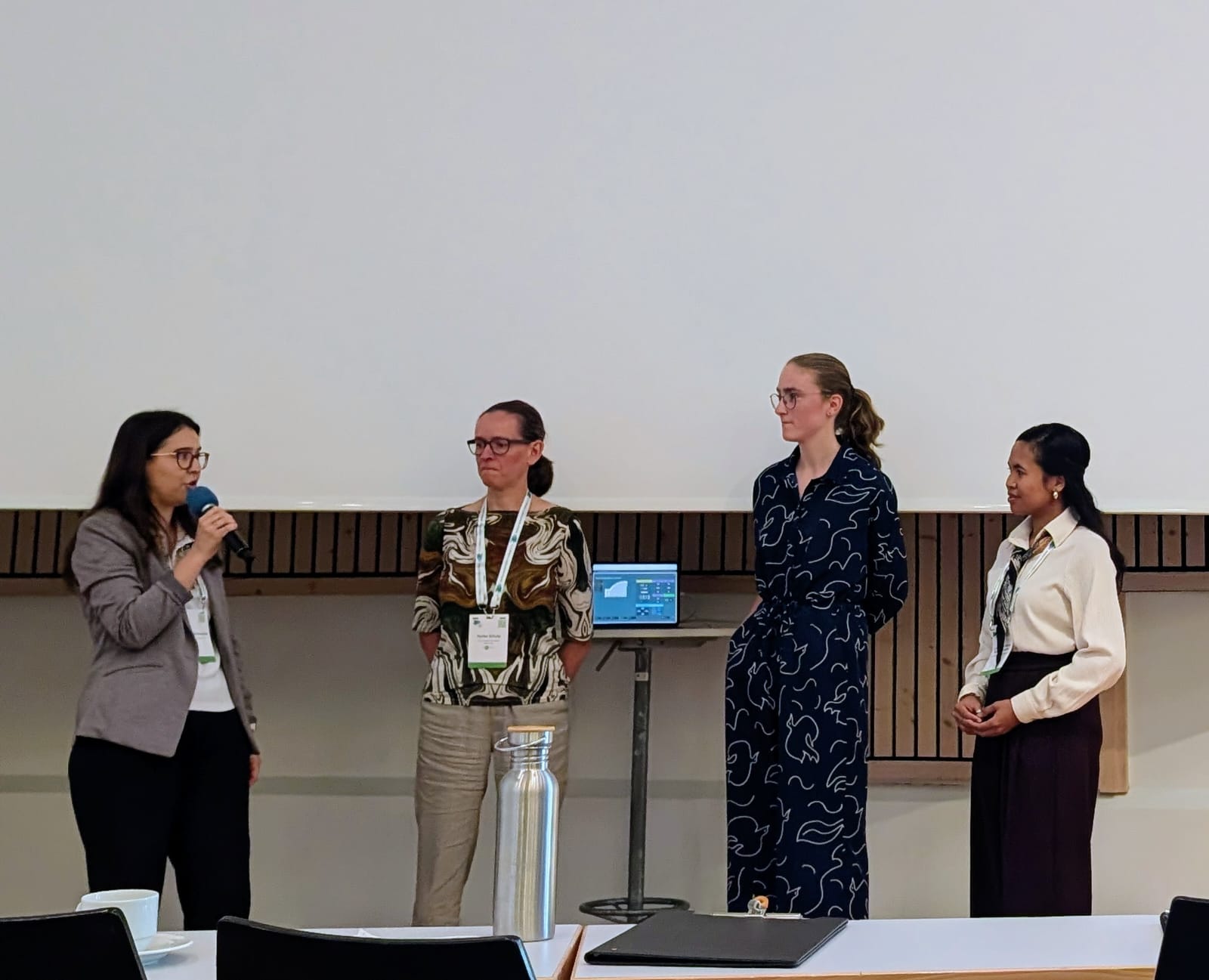
Our findings showed that support for restoration is shaped by the interaction between ecological goals, land rights, and livelihood security. While communities do want biodiversity restoration, they are more likely to embrace it when proposed pathways align with their own priorities for the future. Rather than being passive beneficiaries, they are key actors in shaping and sustaining restoration. For me, this is where the balance between people and nature becomes most important. A restoration strategy may appear successful on paper, but if it does not make sense to those who live with its consequences, it is unlikely to last. Meaningful restoration begins by listening to local communities.
Beyond presenting our own research, one of the highlights of the Forum was meeting researchers whose work had shaped my thinking throughout my studies. It felt almost surreal to speak with people I had previously known only through their publications. These encounters made the academic world feel much more human. Behind every article, model, or framework is someone asking questions, refining ideas, embracing uncertainty, and remaining open to dialogue.
Some of the most valuable exchanges happened outside formal sessions: over coffee, during meals, in corridors, and even during a hike with other participants. Walking through the Swiss landscape created a different kind of space for discussion: more relaxed, spontaneous, and human. Surrounded by mountains, it felt easier to speak openly about research, doubts, ideas, and the different realities we each came from.
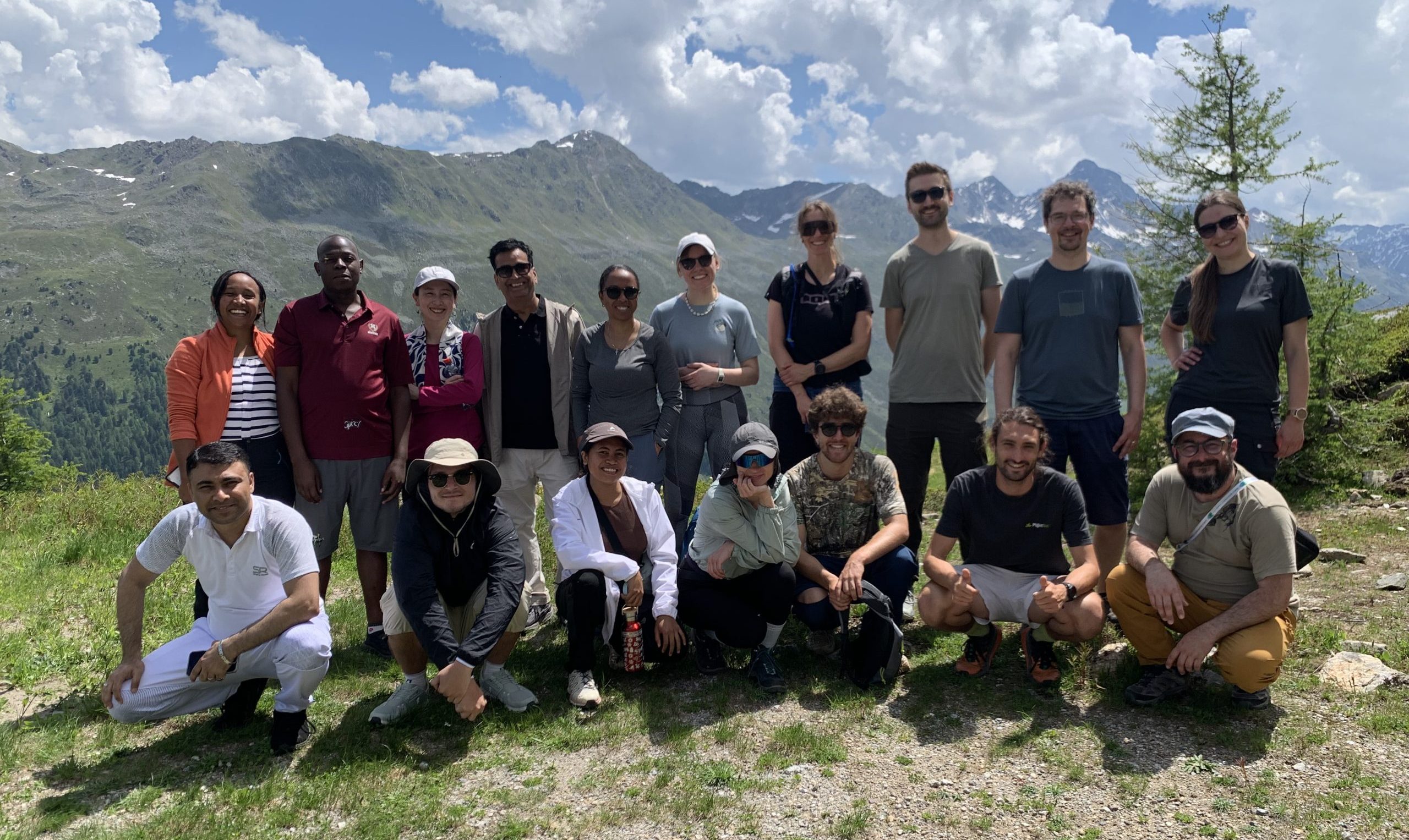
A field excursion to Stillberg to discover mountain reforestation practices and valuable networking moments.
The experience did not end in Davos. After the conference, I had the opportunity to take part in a research visit to the University of Zurich, which became another enriching chapter of the journey. Visiting the research facilities and library, while exchanging ideas with colleagues, students, and researchers, broadened my perspective on my own work and future directions. I was particularly inspired by the openness of the academic environment and the collaborative spirit that fosters interdisciplinary research across a wide range of fields.
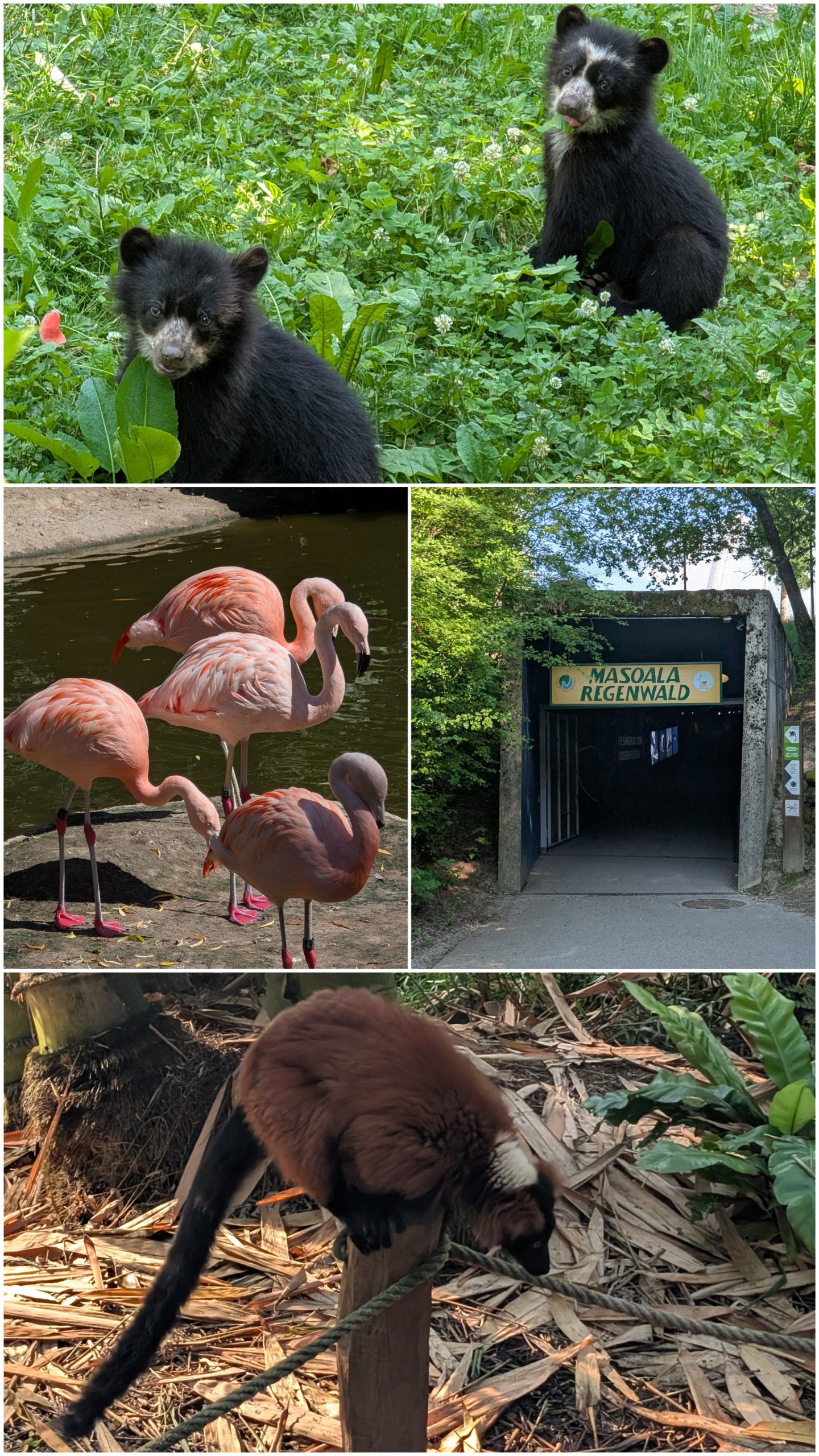
At the end of the visit, we spent a day at Zurich Zoo, where I discovered species from diverse biomes and ecosystems. One area was especially meaningful to me: the Masoala Rainforest, a remarkable recreation of part of Madagascar’s unique biodiversity. Encountering this tropical forest in the heart of Switzerland was unexpectedly moving. In contrast to the surrounding European landscapes, it felt dense, humid, vibrant, and alive with a rhythm that reminded me of home. That visit deepened my appreciation for the uniqueness of Madagascar’s ecosystems. Sometimes, seeing a piece of home from afar allows us to recognise its value more clearly. I left feeling not only proud of my country’s extraordinary natural heritage, but also more aware of how precious and fragile it is. The experience strengthened my determination to contribute, however modestly, to its conservation.
Looking back, attending the World Biodiversity Forum and visiting the University of Zurich marked an important milestone in my early research career. I returned home with greater confidence, an expanded professional network, valuable feedback on my research, and, above all, a stronger sense of why this work matters.
I am deeply grateful to the Swiss National Science Foundation for making this opportunity possible through its support of the Demand4Restoration project. I would also like to sincerely thank the research team and everyone involved in the project, especially Professor Maria Santos, Dr Sarobidy Rakotonarivo, and Dr Estelle Raveloaritiana, for their unwavering support, and the many thoughtful discussions that enriched both my preparation and the experience itself.
Finally, I would like to express my heartfelt thanks to Dr Manoa Rajaonarivelo for sharing this journey with me. From countless discussions about our research to discovering new places and ideas together, your guidance, encouragement, and companionship made this experience far less intimidating and a lot more enjoyable.