
By Tsiory Safidinandrianina Ӏ July 2026
On May 5th, 2026, I was so excited. I packed everything, got my hair braided, prepared the field materials, and went over the schedule one more time. Because the next morning, we were leaving for a 6-day piloting field trip in Andasibe.
Okay … let me back up and explain what this trip was really about.
The Sustainable Climate Smart Adoption and Land-use change for Food Security (SCALE) Project aims to identify sustainable solutions to one of the planet’s greatest challenges. As Ny Avo puts it so well in her blog (read her blog here), the project is trying to answer one central question:
How can we feed a growing global population with minimal harm to biodiversity?
Ny Avo is exploring this question by examining how the adoption of Climate-Smart Agriculture (CSA) is linked to farmers’ incomes, crop productivity, and forests. Her research investigates what encourages farmers to adopt more sustainable practices like CSA, whether these approaches can improve yields and strengthen rural livelihoods, and what happens when farming becomes more productive. In particular, she examines whether higher yields reduce the need to clear additional land or unintentionally make agricultural expansion more attractive.
And I’m peeking through a different window – the window of land sparing and land sharing. Basically: land sparing means growing more food in a smaller area of farmland, so that more space can be left for forests and wildlife. Meanwhile, land sharing means using wildlife-friendly farming practices that allow agriculture and nature to coexist. In my PhD, I am trying to understand which approach works best, or whether combining the two could help farmers produce enough food while also protecting forests and biodiversity.
The beginning of a journey of a lifetime
What does it really mean to be a PhD student? What am I expected to know? What exactly am I studying? At the beginning, everything felt new to me.
As a geographer, joining ESSA is both an exciting opportunity and a major challenge. I have had to; and I still have to; adjust to adapt to academic standards that are much higher than those I was previously accustomed to. Sometimes, it feels as though I have to catch up twice: first to reach the expected standard, and then to keep climbing toward excellence.
Where I studied before, limited funding meant that we were not always fully prepared for the practical realities of research. They kind of just threw us into the lion’s den and let us figure it out. Still, our lecturers did their very best with the limited resources available to them, and I remain deeply grateful for their efforts and dedication.
How do you conduct a long agricultural survey? How do you design a form in KoboToolbox, deploy it, download the data? It was all new.
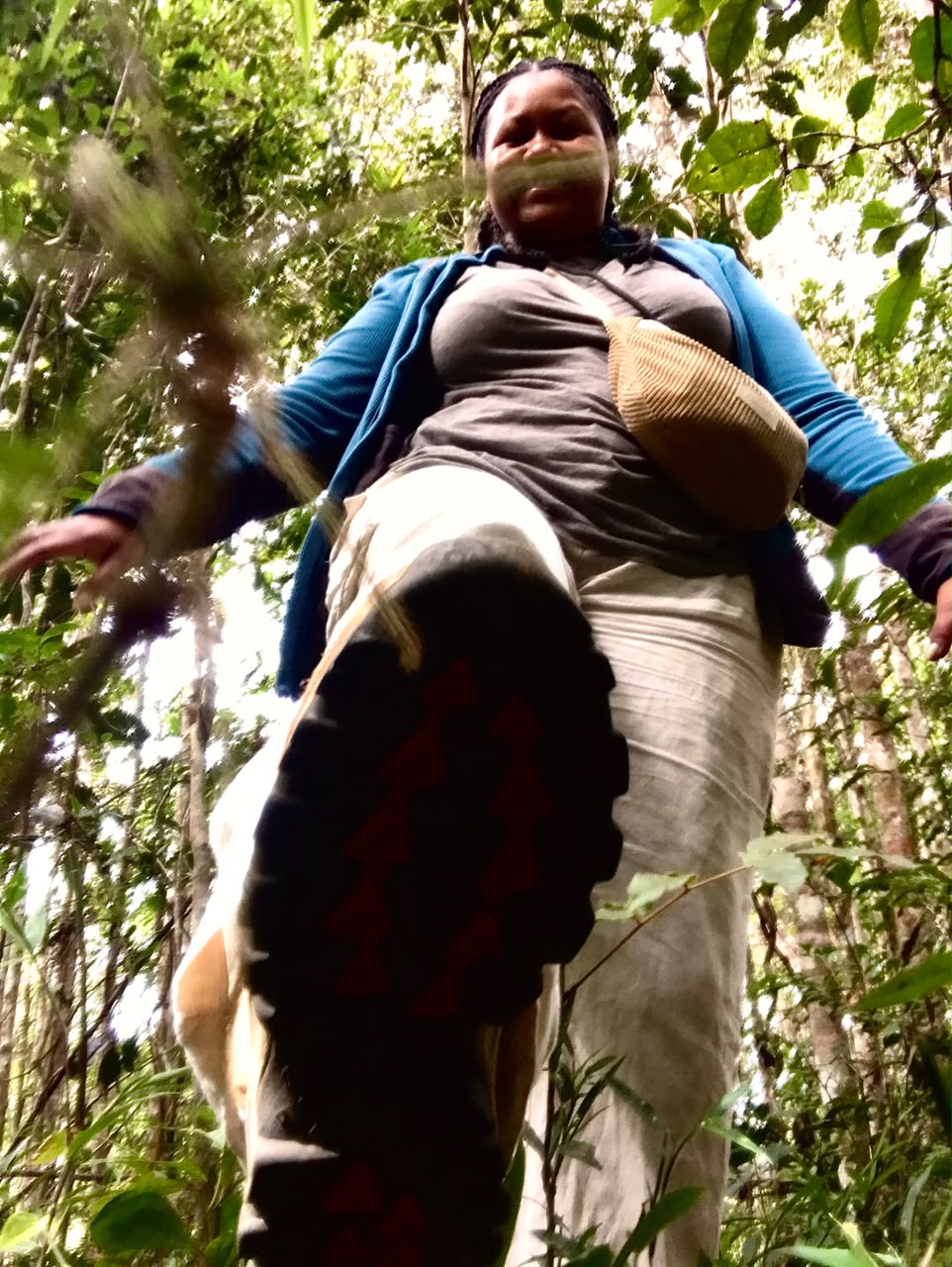
Me, the girl who was used to walk around with paper forms in hand: this was a whole new world.
But I’ve always been told that « where God guides, He provides : resources, connections, the right people, opportunities, solutions, ideas, and blessings. » And honestly? I feel so lucky to have the best PhD supervisors in the world helping me through it.
What this first immersion was really for
The whole point of this trip was to inform the direction of my PhD thesis, test the questionnaires, become familiar with the data-collection methods, identify ways to improve them, get in touch with local people, and pave the way for the fieldwork to come.
My two superisors; Dr Sarobidy Rakotonarivo from Mitsilo Lab, ESSA Forêt and Dr James Borrell (Royal Botanic Gardens, Kew); walked me through this whole, wonderfully enriching experience.
We climbed mountains, explored forests, and followed the narrow muddy paths between the paddy fields without ever getting tired; all to learn how to choose and observe different reference sites across levels of land-use intensity, how to measure quadrats, how to do distance sampling, and how to strike up a proper conversation with farmers.
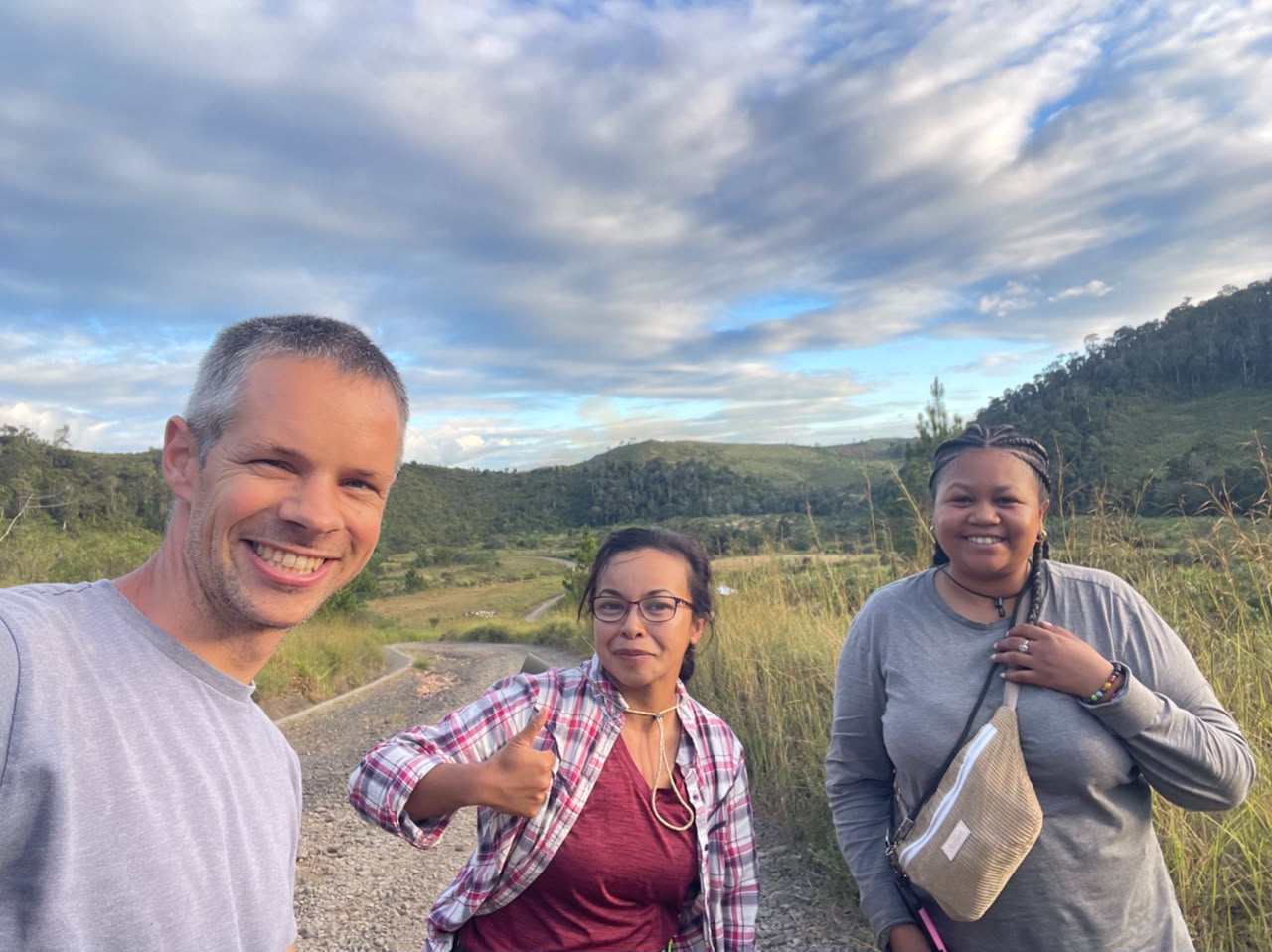
A selfie taken by Dr James Borrell during our first visit to the village. From left to right: James, Sarobidy and me.
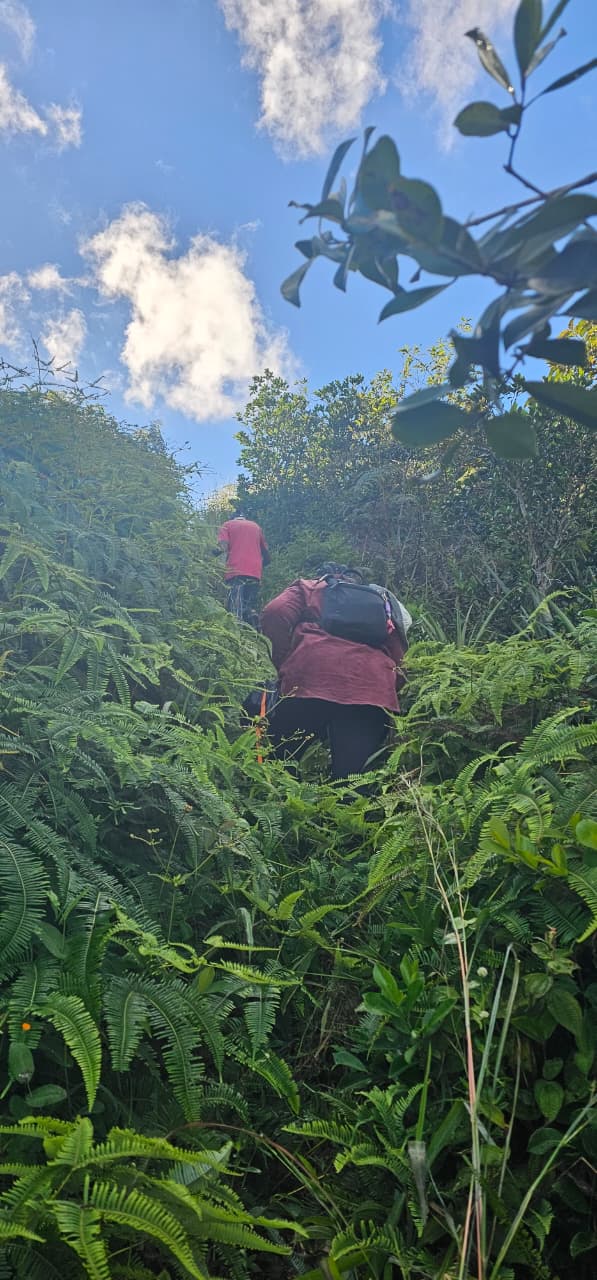
A photograph taken by Sarobidy as we made our way up to the farmer’s cassava field.
The adventurous side of fieldwork
Because the trip took place in the eastern highlands of Madagascar, reaching farmers’ fields was sometimes an adventure in itself.
One of the biggest challenges was climbing over mountains without a clearly marked path, just the farmer’s little knife to carve the way through the vegetation.
But climbing up was not even the hardest part. Coming back down was far more difficult.Some slopes were so steep that we had to concentrate intensely on every step to avoid falling. The next morning, my legs were sore absolutely everywhere… and it was only day three.
A video captured by Sarobidy as we carefully made our way down the slope, trying not to stumble or fall.
Moments I will never forget
The entire experience was enjoyable and deeply enriching, but a few moments turned it into something truly unforgettable. These ones deserve the spotlight:
- The moment we worked with a local guide who had this funny, loud, slowed-down ringtone. I was practicing a floristic inventory in a plot with him, and when his phone rang, Sarobidy and James just started dancing to it. At that exact moment, I felt really grateful to have them as my supervisors.
- The moment James was genuinely touched when local residents told us that it was the first time a foreign visitor had come not to see the lemurs, but to learn about the local community and its people.
- The moment we debated the exact dimensions of the veranda at Feon’ny Ala, and Sarobidy stood right up and paced it out step by step, just to be sure.
- And the moment we did a loop through Mantadia Forest before heading home to get familiar with the birds – we saw so many of them. As a special, unplanned reward at the very end of the circuit, we also saw three sifakas and heard a grey lemur!
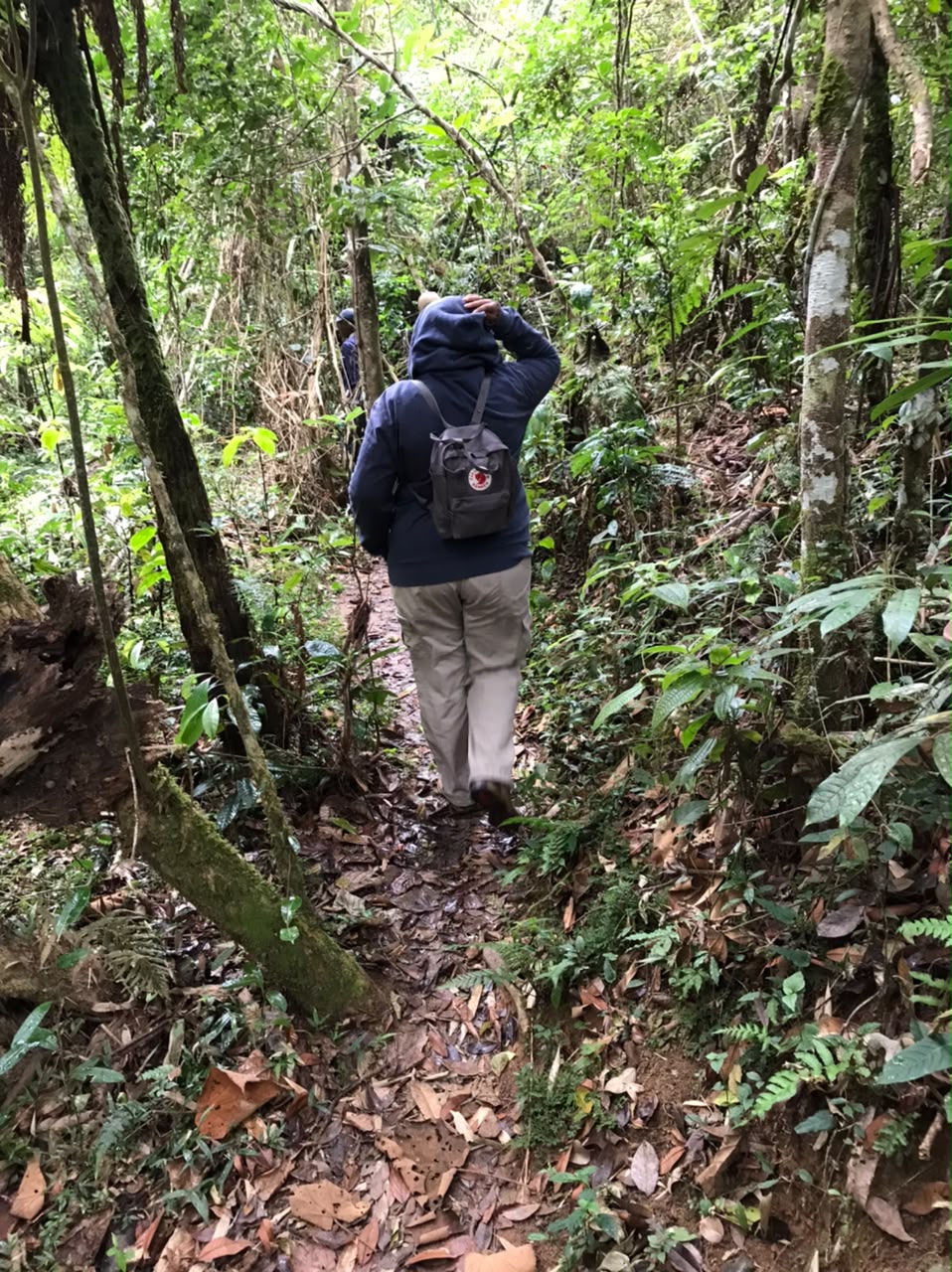
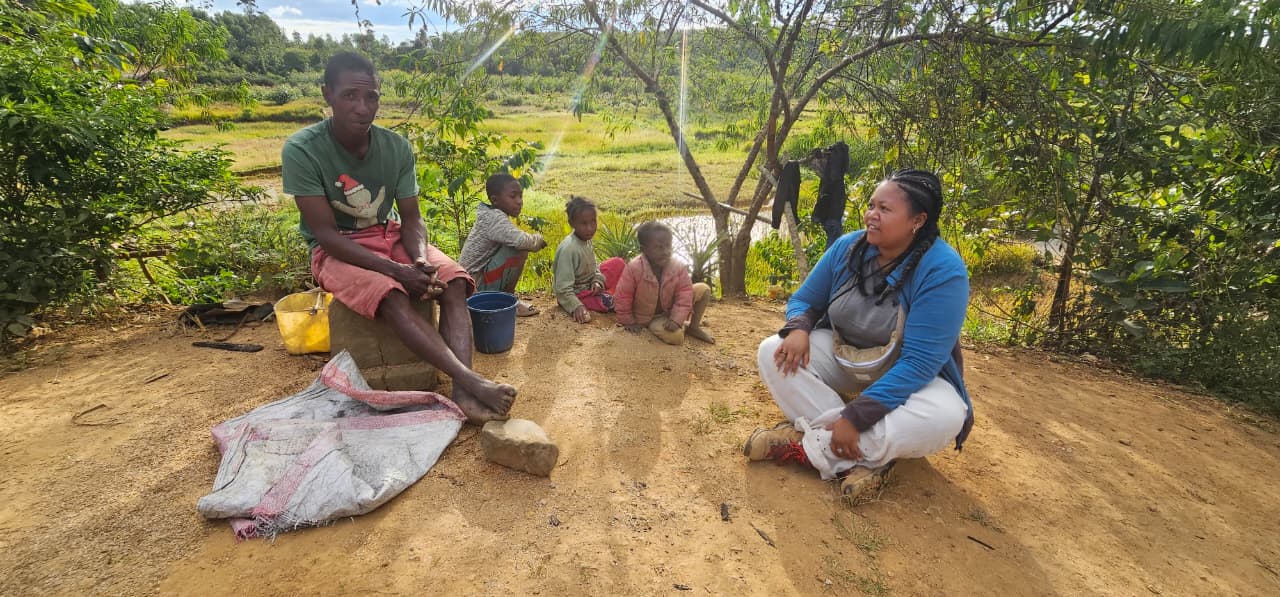
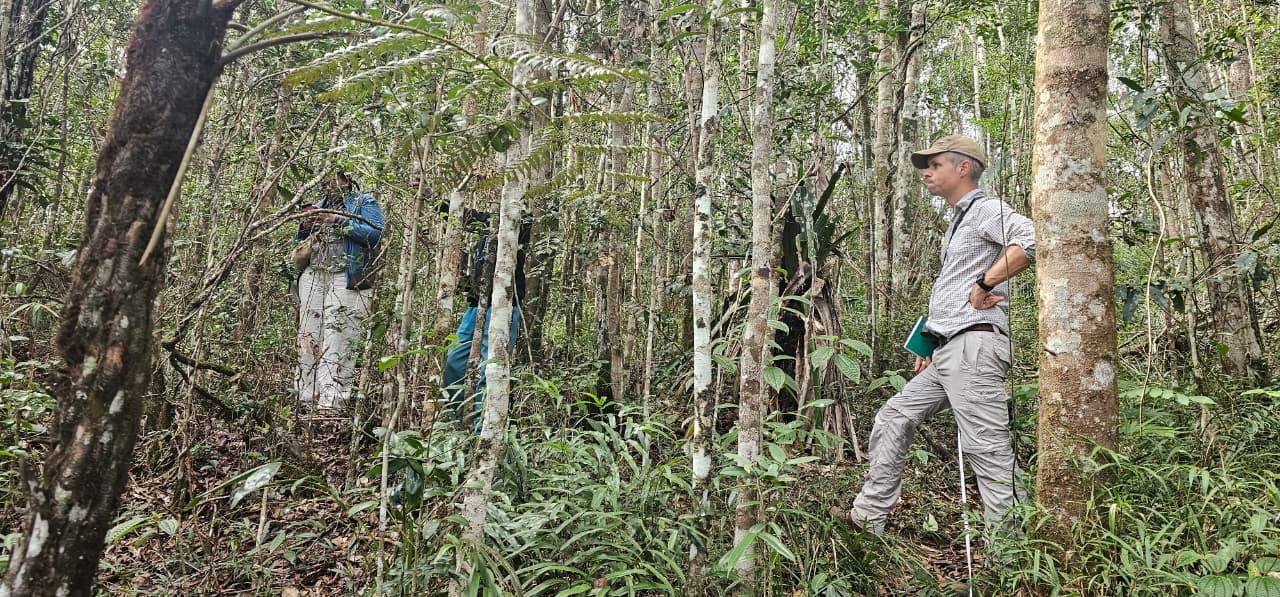
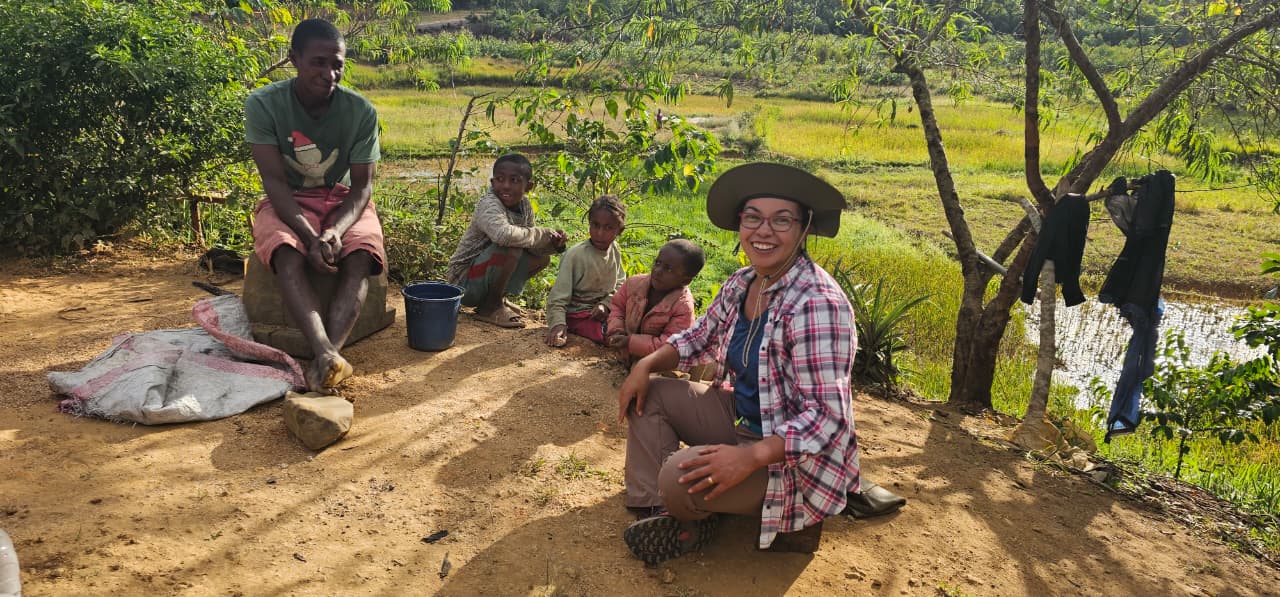
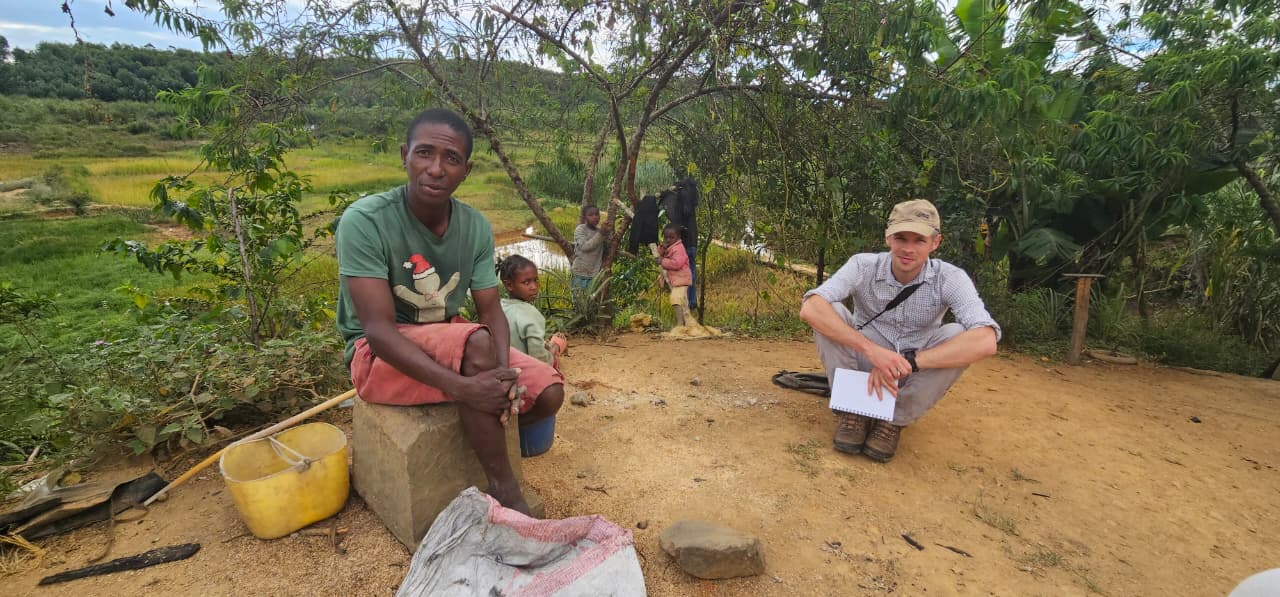
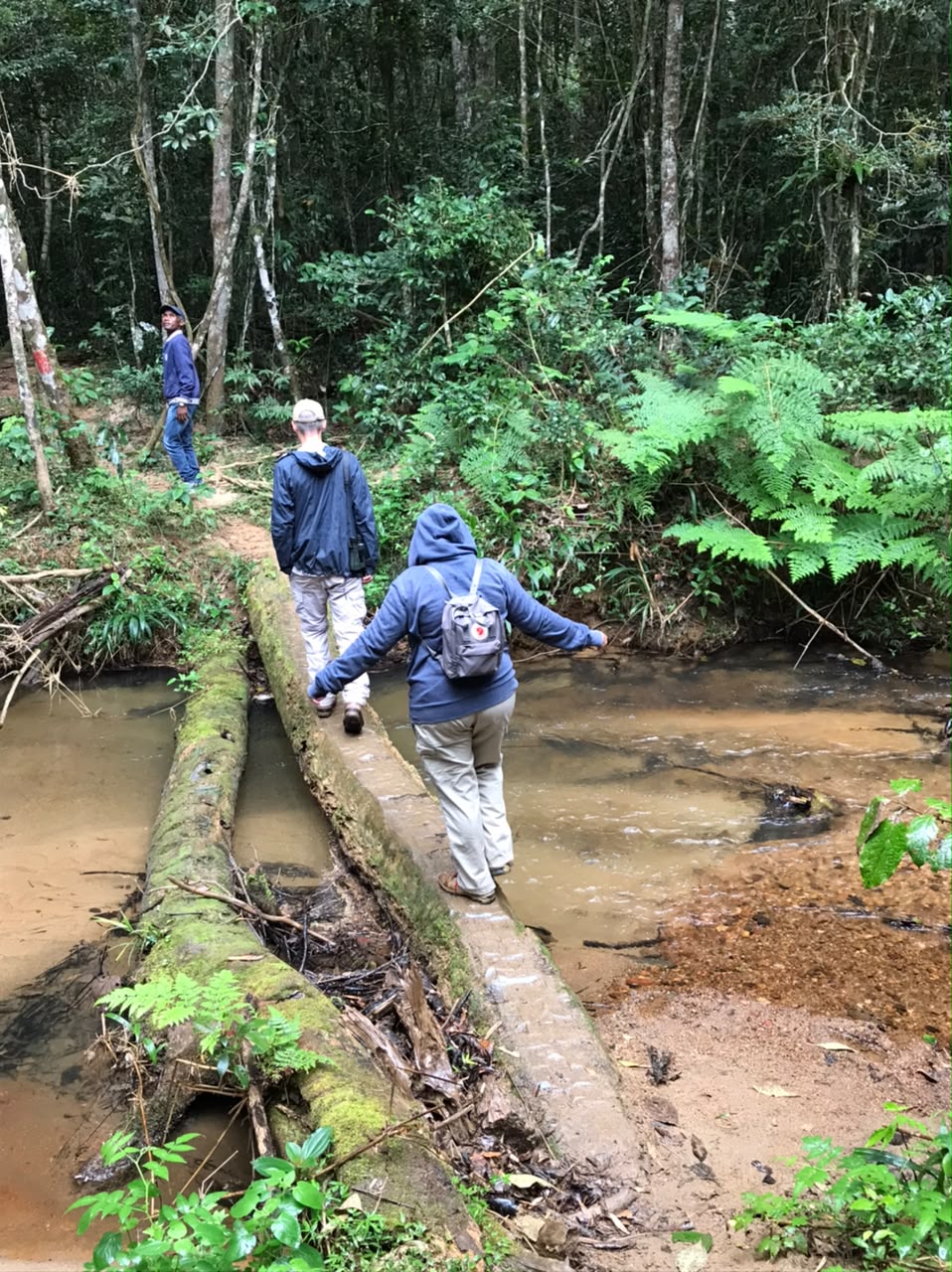
Photographs capturing some of our activities in the field.
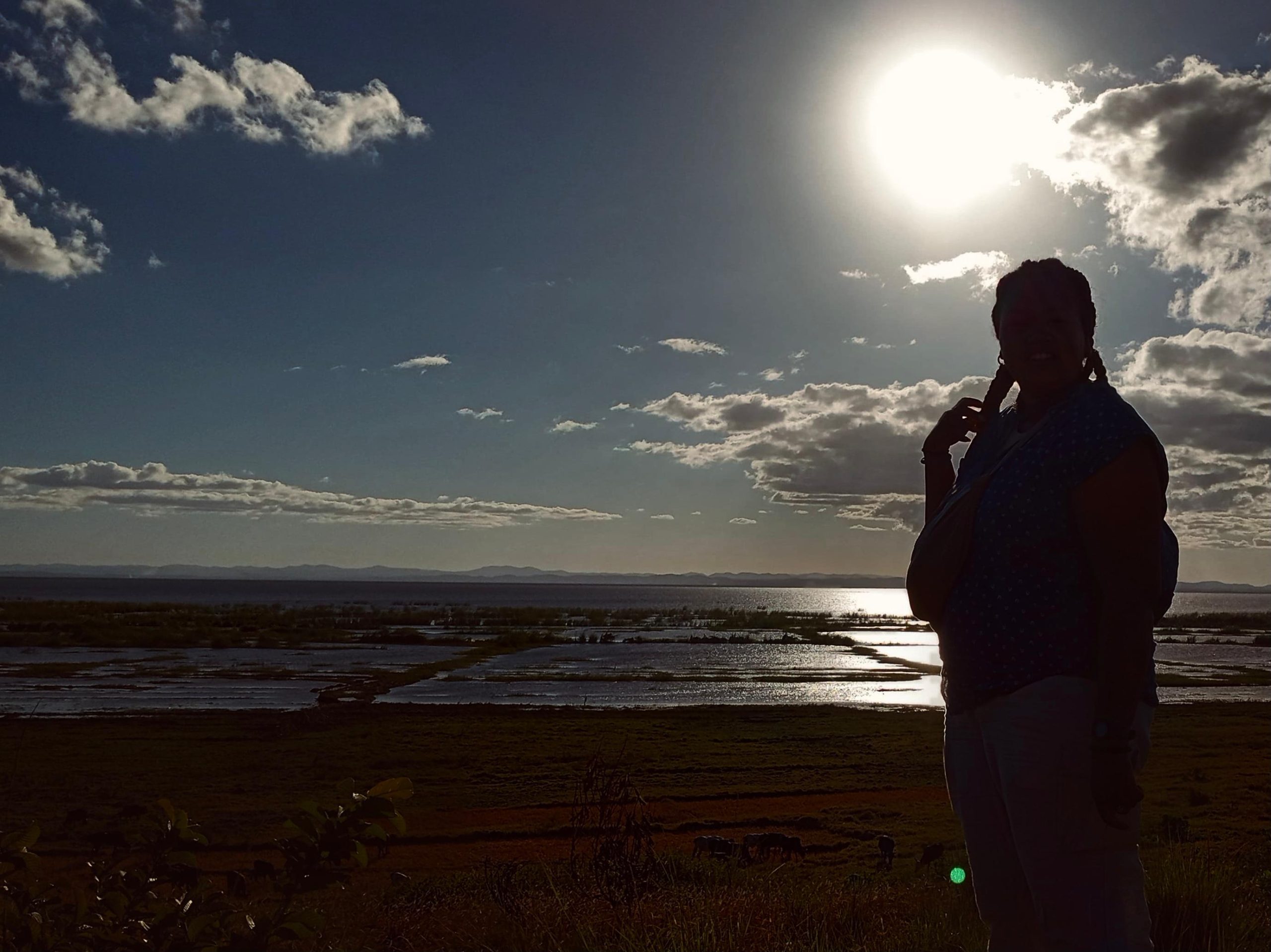
Looking Ahead
So yeah, this pilot field trip taught me countless lessons, helped us refine our approach, and connected us with many knowledgeable and resourceful people. It marked an important step forward, both for the project and for my PhD journey.
I know there is still a great deal of work ahead of me, and adapting to this new environment will require patience, openness, and a constant willingness to learn.
I never expected this journey to be easy.
But this trip made one thing clear: this PhD will change my life and transform the way I see the world. By the end of it, I hope to have grown into the strongest and most fulfilled version of myself.
And that is the person I am rooting for.
On a final note, here is a video I filmed in the forest, accompanied by the haunting calls of lemurs as we tried to call in the birds.