
by Sarobidy Rakotonarivo and Mirindra Rakotoarisoa
Understanding climate hazards and migration is ultimately about understanding people, the decisions they make, the constraints they face, and the ways individual choices interact to shape broader social and environmental outcomes.
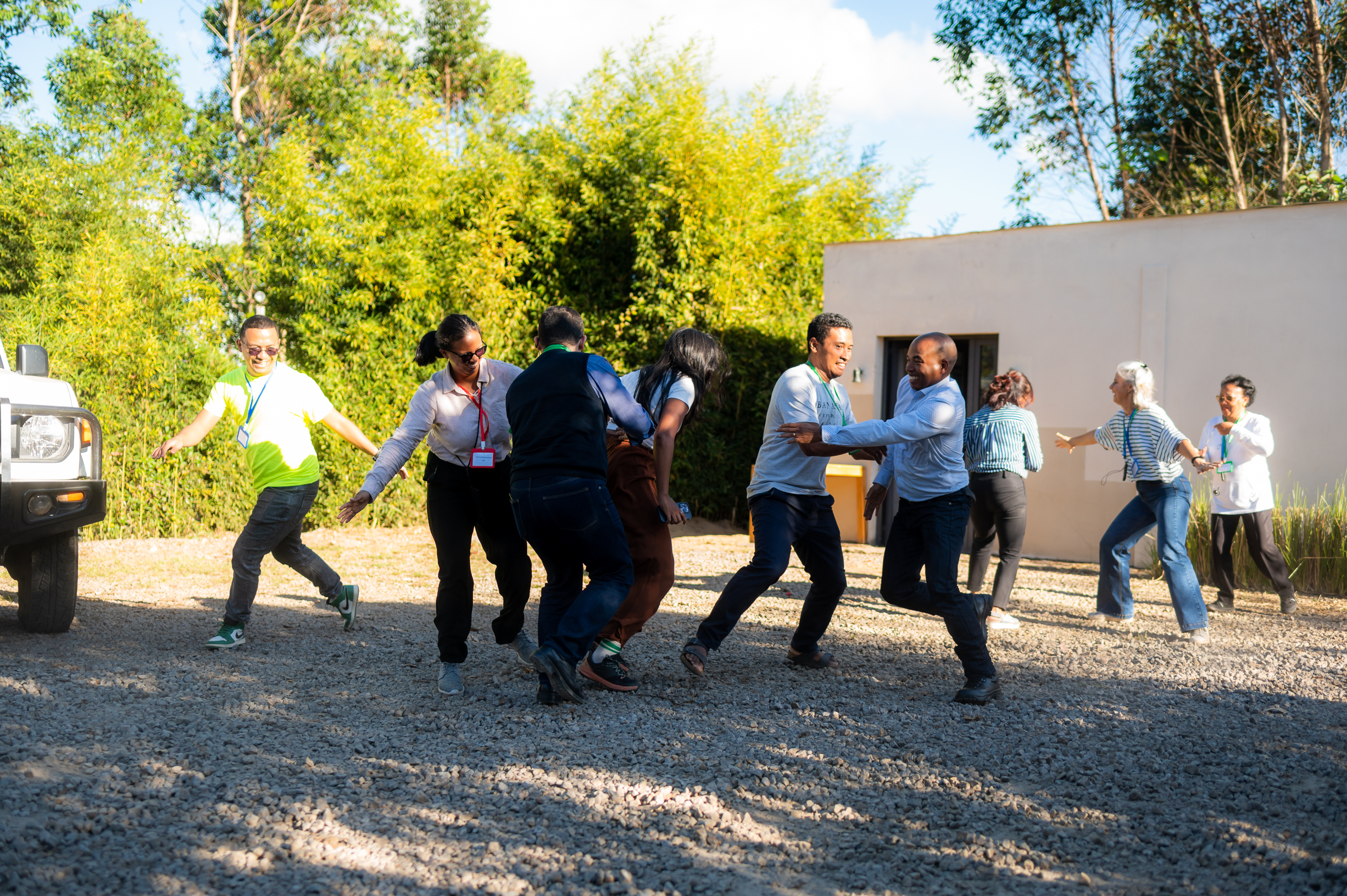
Participants take part in an interactive “Protector Game”, helping them experience how individual decisions, cooperation, and uncertainty can influence outcomes at the system level—a key idea behind agent-based modelling.
This idea was at the heart of the CHAIN (Climate Hazards and Migration in Madagascar) stakeholder workshop held in Andasibe in May 2026. Organised by the MITSILO Research Lab and partners, the workshop brought together 25 researchers, humanitarian actors, government representatives and development practitioners to discuss one of Madagascar’s most pressing challenges: how can we better understand and respond to the complex interactions between climate hazards, migration, food security and environmental change?
Rather than relying solely on presentations, the workshop combined research talks, short films, interactive discussions, policy labs and modelling exercises. The goal was not only to share evidence, but also to challenge assumptions, identify policy priorities, and explore how research can better inform decision-making.
Climate shocks rarely occur in isolation
One of the clearest messages to emerge from the workshop was that climate risks rarely occur one at a time. Droughts, cyclones, floods and livelihood shocks often overlap and reinforce one another. Presentations highlighted how repeated and compound shocks can trap households in cycles of vulnerability and recovery, while new modelling and satellite-based approaches are helping researchers better understand who is affected, where, and for how long.
At the same time, participants stressed that data and models alone are not enough. Understanding how people experience and respond to climate hazards requires combining scientific evidence with local knowledge and operational experience.
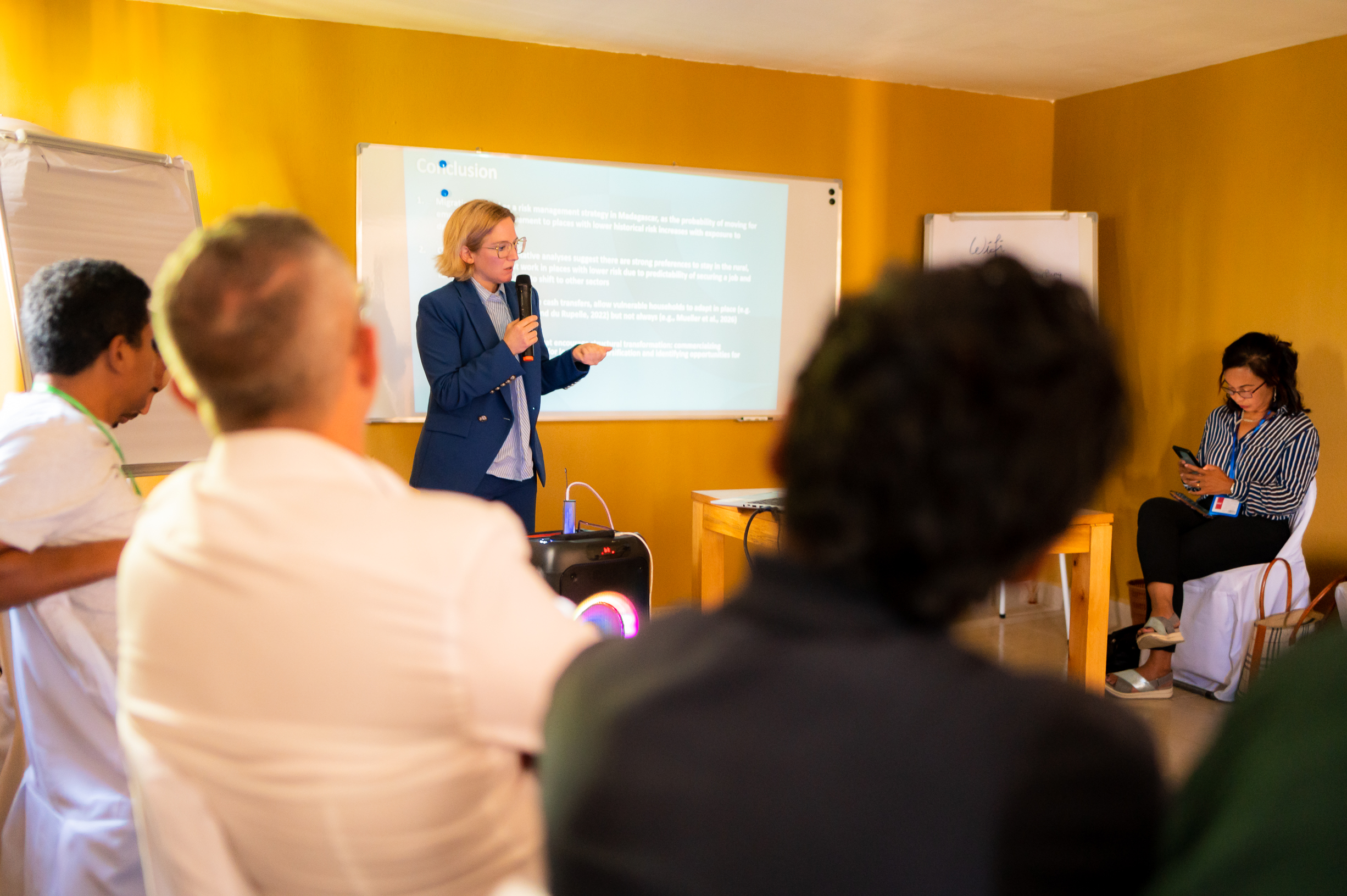
Dr. Valerie Mueller presents research highlighting the complex ways in which climate hazards influence migration, livelihoods and household resilience in Madagascar.
Migration is part of adaptation, not simply a consequence of crisis
A second major theme was the need to rethink how migration is understood in Madagascar. Migration is often portrayed as a consequence of environmental degradation or economic hardship. Yet evidence presented during the workshop suggested a much more nuanced reality.
For many households, migration is not simply a last resort, but part of broader livelihood and adaptation strategies. Many migrants move temporarily rather than permanently, maintain strong links with their home communities, and continue to depend on agriculture after moving. Decisions about whether to migrate are shaped not only by climate shocks, but also by access to land, employment opportunities, social networks, family considerations and cultural ties.
Discussions also highlighted the importance of looking beyond migrants themselves and paying greater attention to those who remain behind, particularly women, children and elderly household members. Understanding these wider social dynamics is essential for designing policies that support both mobility and resilience.
Challenging assumptions about migration and deforestation
The workshop also revisited one of the most common narratives in conservation debates: that migrants are major drivers of deforestation in Madagascar.
Through a short documentary and recent research led by MITSILO, participants explored evidence suggesting that migrants are no more likely than local populations to clear forests, nor do they clear larger areas of land. Instead, deeper structural factors such as poverty, land scarcity, limited livelihood opportunities and weak institutions appear to play a much more important role.
The discussion highlighted the importance of ensuring that conservation and development policies are informed by evidence rather than assumptions.
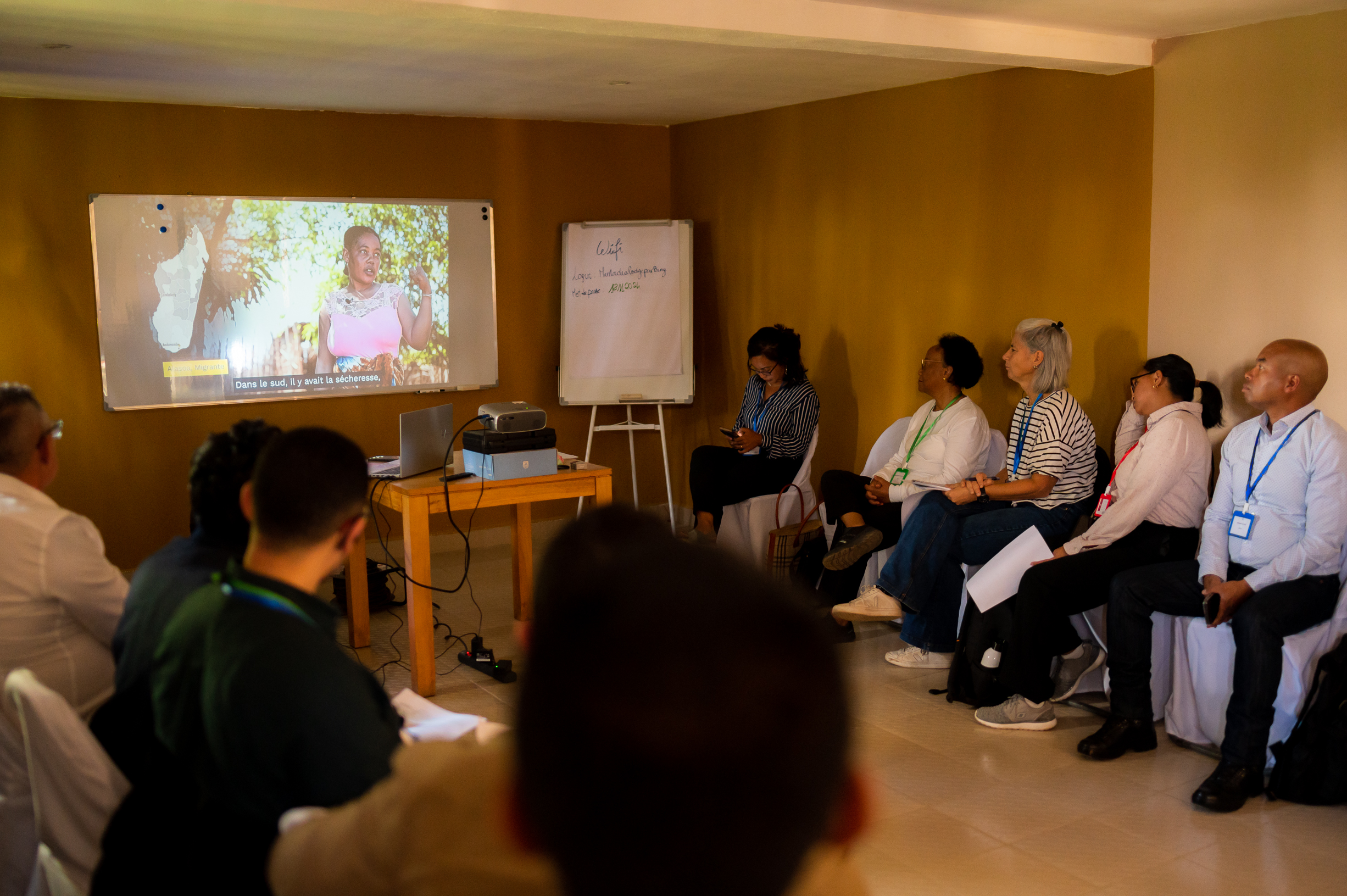
Short films featuring local voices helped spark discussion around migration, livelihoods and environmental change.
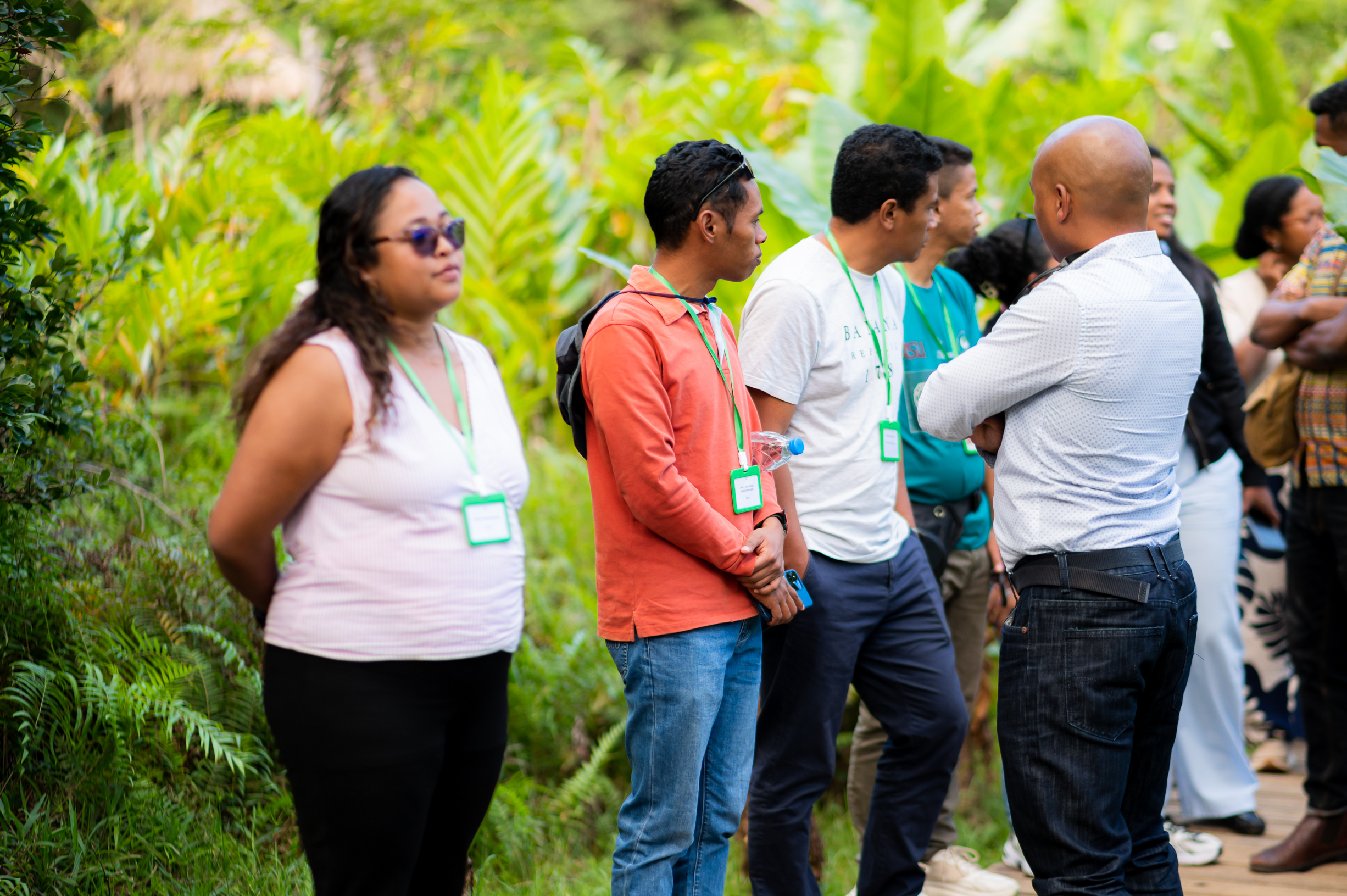
Participants continued discussions during a visit to Vakona Reserve, where conversations extended beyond presentations and disciplinary boundaries.
Learning beyond the conference room
The workshop was not confined to presentations and discussions. Participants also visited Vakona Reserve, creating opportunities for more informal exchanges across disciplines and institutions.
These moments outside the meeting room often generated some of the most candid conversations of the workshop. Researchers, practitioners and policy actors reflected on the links between conservation, tourism, livelihoods, migration and environmental change while exploring one of Madagascar’s best-known protected landscapes.
The visit served as a reminder that the challenges discussed during the workshop ultimately play out in real landscapes and communities. Effective policies therefore require not only strong evidence but also a deep understanding of local realities.
From evidence to action
A central objective of the workshop was to move beyond diagnosis and identify practical ways forward.
Through a Policy Lab exercise, participants identified several priorities, including stronger social protection systems, improved disaster preparedness, livelihood diversification, resilient infrastructure, and more effective local governance. Participants also highlighted the need for better coordination across institutions and sectors, particularly given the interconnected nature of climate, migration, food security and environmental challenges.
The workshop also provided an opportunity to test and refine the MIDAS agent-based model being developed under the CHAIN project. Participants helped identify key questions the model should address and reflected on how modelling approaches can support more informed decision-making in the future.
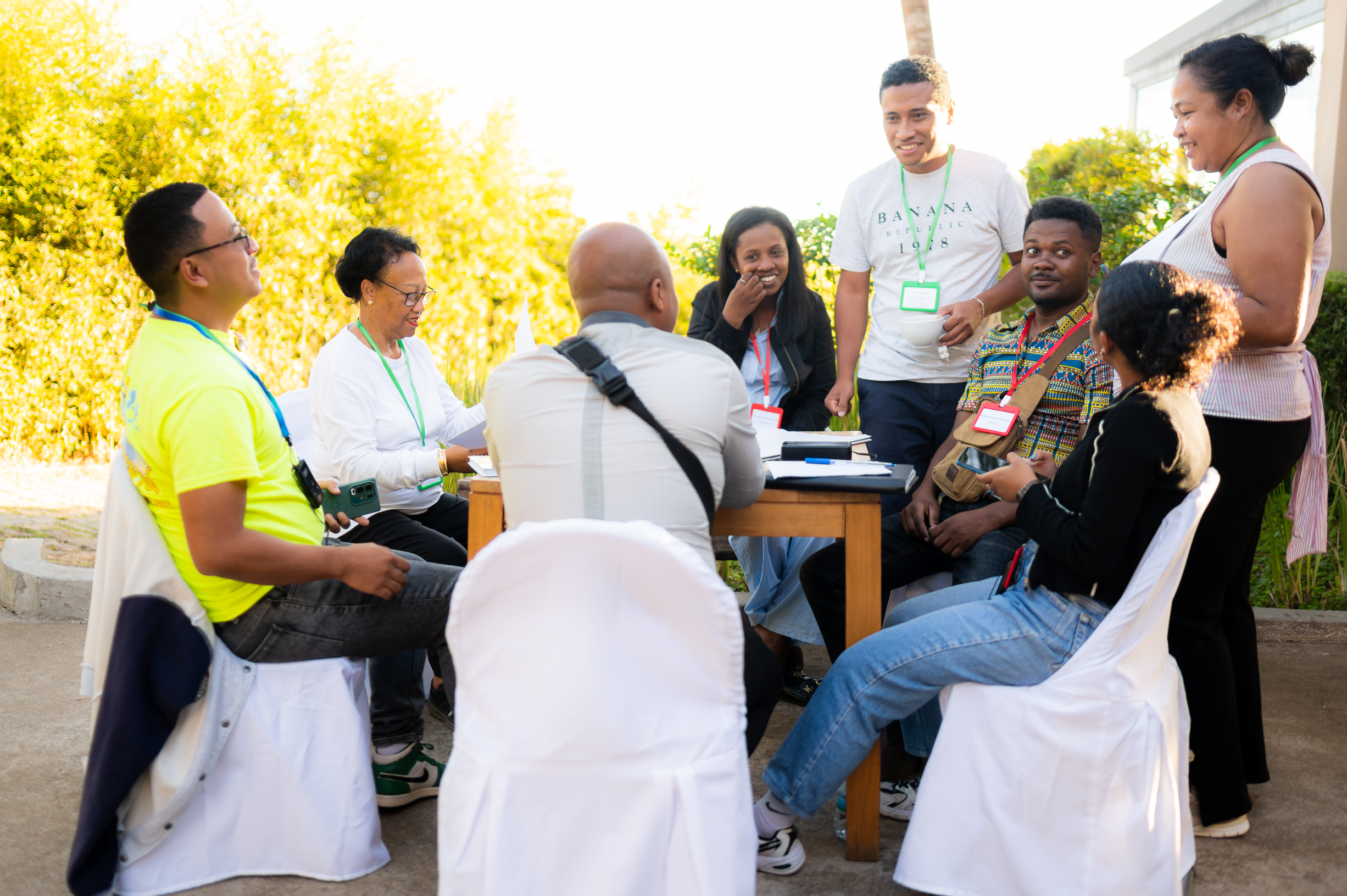
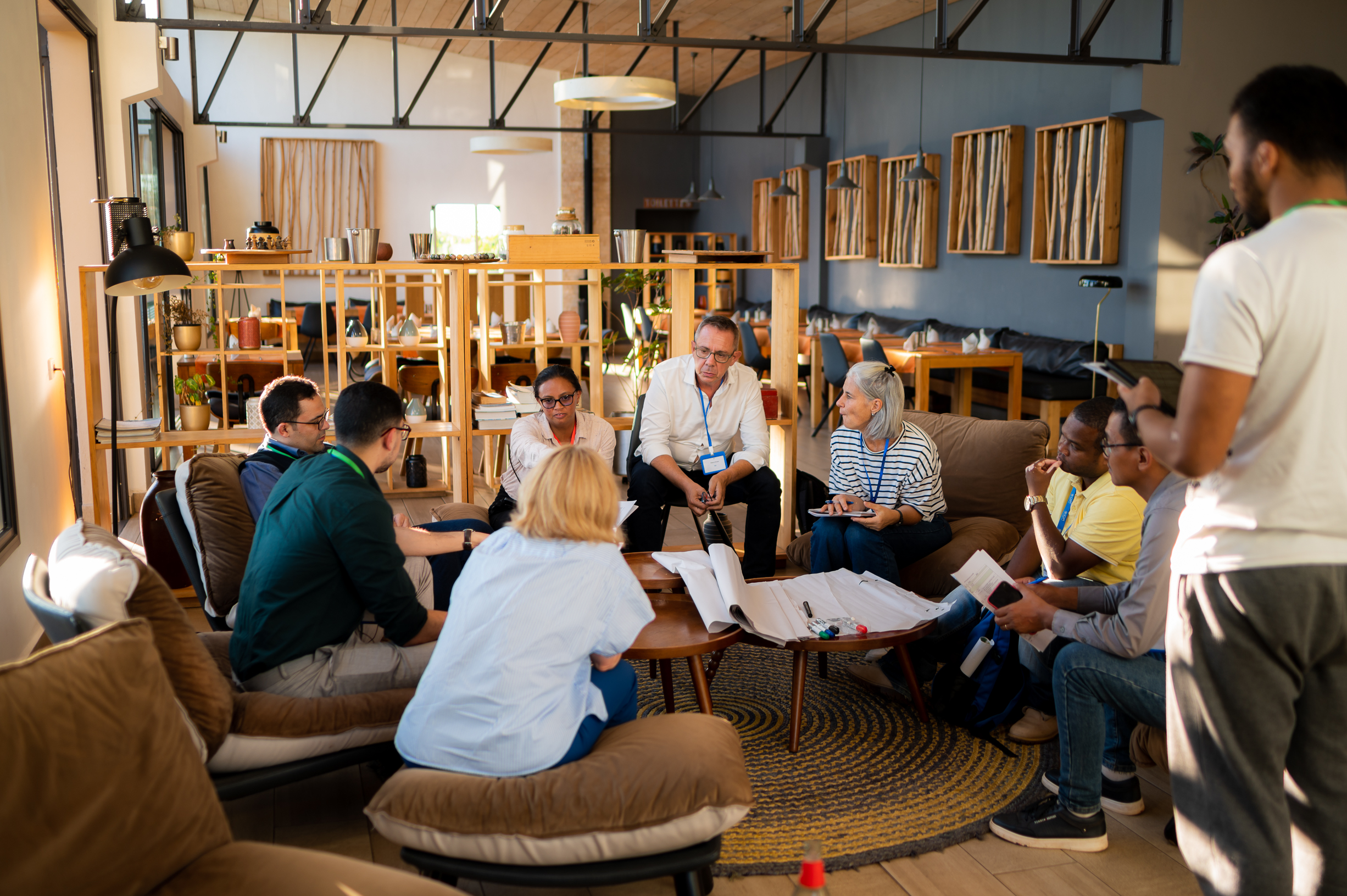
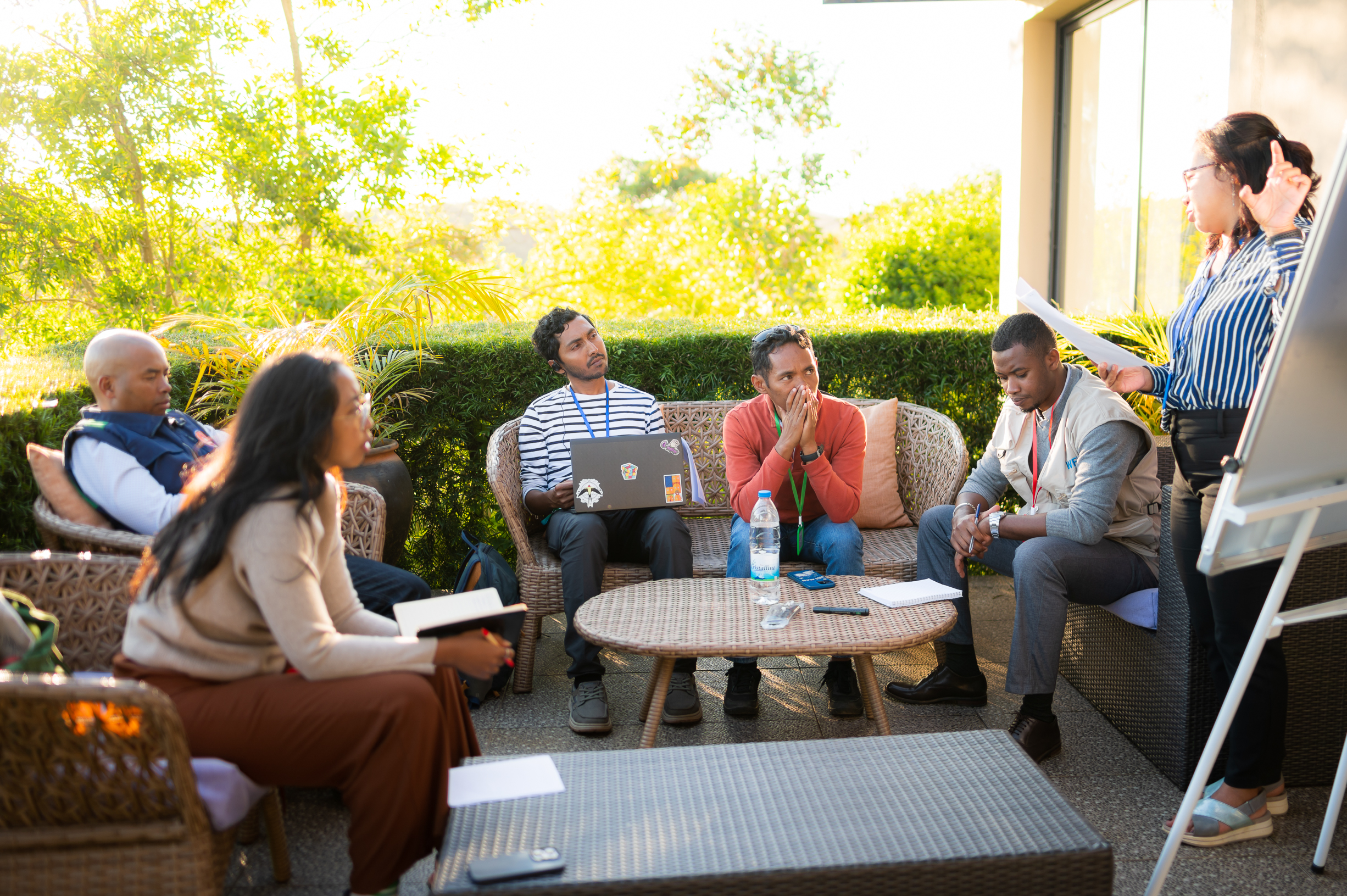
During the Policy Lab, participants worked together to identify practical priorities for strengthening resilience, improving disaster preparedness and supporting sustainable livelihoods
Looking ahead
Perhaps the most encouraging outcome of the workshop was the willingness of participants from different sectors and institutions to continue working together. Addressing the interconnected challenges of climate hazards, migration and environmental change will require more than better data. It will require stronger partnerships, continuous dialogue, and a shared commitment to grounding decisions in both evidence and lived realities.
The CHAIN workshop was one step in that direction, and we look forward to continuing these conversations in the months and years ahead.
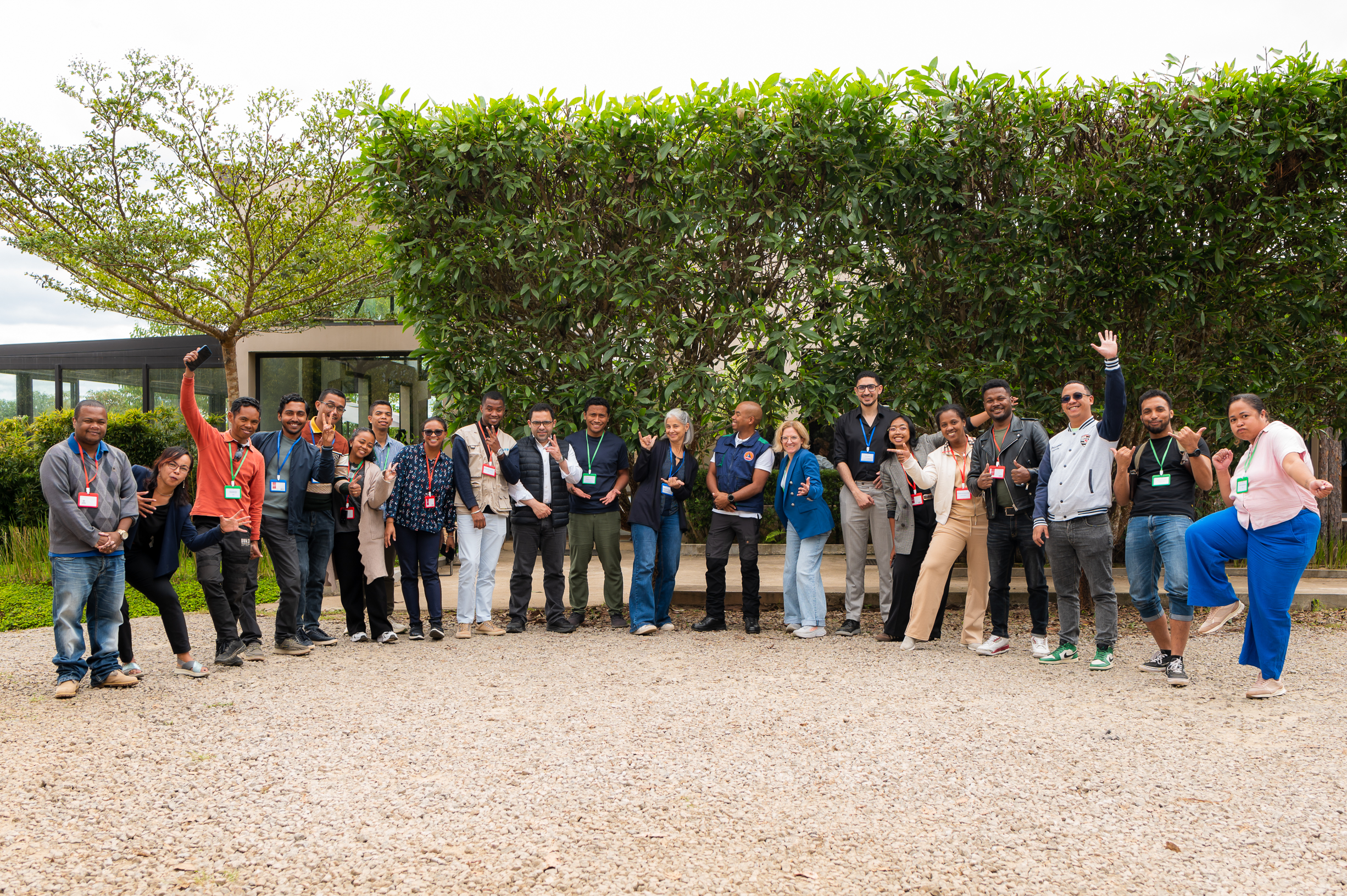
Participants at the CHAIN stakeholder workshop in Andasibe, May 2026.